
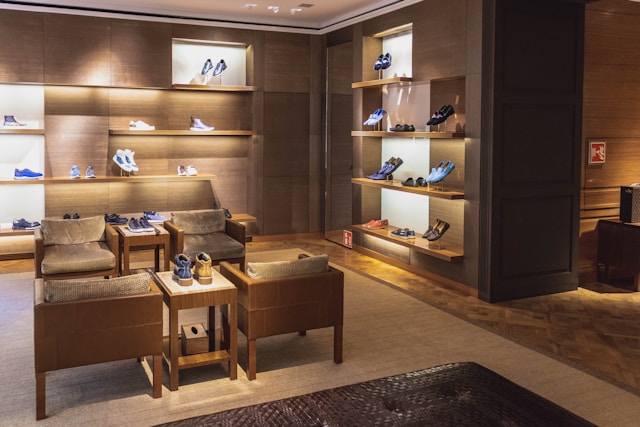
Walking down Orchard Road or navigating the vibrant lanes of Haji Lane, shoppers face an overwhelming array of choices. Grabbing a customer’s attention requires more than high-quality products or competitive pricing. The physical environment where a transaction takes place holds immense power over consumer behavior. A thoughtfully crafted environment can turn a casual browser into a loyal patron, while a poorly structured store can drive foot traffic straight to a competitor.
In a highly competitive market like Singapore, where retail rent commands a premium and consumer expectations are consistently elevated, the stakes are remarkably high. Retail interior design bridges the crucial gap between a brand’s vision and a customer’s experience. It acts as a silent salesperson, guiding visitors through a curated journey, highlighting key merchandise, and ultimately driving sales.
Understanding the mechanics behind these successful spaces involves a deep dive into spatial planning, human psychology, and brand storytelling. This guide explores how professional retail interior design services in Singapore can transform empty commercial units into highly profitable, engaging environments.
The Psychology of Retail Interior Design
Shoppers rarely realize how heavily their purchasing decisions are influenced by their surroundings. Every element of a store, from the floor plan to the background music, is meticulously chosen to evoke specific emotional responses.
How Store Layout Dictates Shopper Behavior
The foundation of any successful retail space with SCDC Asia is its layout. Designers use specific floor plans to control the flow of traffic, ensuring that customers see the maximum amount of merchandise without feeling overwhelmed.
Grid layouts, commonly seen in supermarkets and pharmacies, prioritize efficiency and inventory volume. They allow shoppers to find exactly what they need quickly. Boutique stores and luxury brands usually opt for free-flow or loop layouts. A free-flow design encourages wandering and discovery, inviting customers to browse leisurely and interact with products. A loop layout guides shoppers on a defined path, ensuring they pass by every display before reaching the checkout counter.
By strategically placing high-margin items at eye level and positioning essential goods at the back of the store, designers manipulate the customer journey to maximize impulse buys and overall basket size.
The Power of Color and Lighting
Color psychology plays a fundamental role in shaping the retail experience. Warm colors like red and orange create a sense of urgency, making them popular choices for clearance sections or fast-food establishments. Cool tones such as blue and green promote relaxation and trust, often utilized by health, wellness, and financial brands.
Lighting is equally critical. It dictates the mood of the space and draws attention to specific products. Ambient lighting ensures the store is well-lit and welcoming, while accent lighting highlights focal points like mannequins or new arrivals. High-end boutiques often use dim ambient lighting coupled with intense accent lighting to create a sense of exclusivity and drama. Conversely, convenience stores rely on bright, uniform lighting to convey cleanliness and efficiency.
Key Elements of Effective Retail Spaces in Singapore
Operating a retail business in Singapore presents unique challenges and opportunities. Designers must account for local constraints and consumer preferences to build spaces that resonate with the market.
Maximizing Limited Square Footage
Space is a luxury in Singapore. Retailers often operate within compact units, especially in popular shopping malls. Professional interior designers excel at spatial optimization. They utilize vertical space, implement multi-functional furniture, and design custom fixtures that display products attractively without cluttering the aisles.
Mirrors and strategic lighting can create the illusion of a larger space, while minimalist design principles help maintain a clean, organized aesthetic. The goal is to maximize inventory display without compromising the customer’s comfort and ease of movement.
Local Cultural Nuances
Singapore is a melting pot of cultures, and successful retail designs often reflect this diversity. Depending on the target demographic, designers might incorporate subtle cultural motifs, local materials, or specific architectural elements that resonate with the community.
Furthermore, the climate dictates certain design choices. With high humidity and frequent rain, shopping malls serve as climate-controlled sanctuaries. Retailers within these malls must create inviting entrances that draw people in from the main walkways, often utilizing open-front concepts to remove any physical barriers to entry.
Blending Physical and Digital Experiences
Consumers expect a seamless integration of physical and digital retail. Smart fitting rooms equipped with interactive mirrors allow shoppers to request different sizes or colors without leaving the cubicle. QR codes placed next to products provide instant access to detailed specifications, customer reviews, and styling tips.
Designers must plan for these technological integrations from the outset, ensuring adequate power supply, optimal internet connectivity, and seamless aesthetic integration of digital screens and kiosks.
Choosing the Right Retail Interior Design Service
Selecting the appropriate design partner can significantly impact the success of your retail venture. It requires careful evaluation of their capabilities, experience, and alignment with your brand vision.
Portfolio and Track Record
Reviewing a design firm’s past projects provides valuable insight into their style and expertise. Look for agencies that have experience designing retail spaces within your specific industry. A designer who excels at creating cozy cafes might not be the best fit for a high-tech electronics showroom.
Visit their completed projects in person if possible. Observe how customers interact with the space, note the quality of the materials used, and assess the overall atmosphere.
Understanding of Brand Identity
Your retail space should be a physical manifestation of your brand. A competent designer will take the time to deeply understand your target audience, core values, and unique selling propositions. They will translate these intangible elements into tangible design choices, ensuring that every color, texture, and fixture aligns with your brand identity.
During the initial consultation, pay attention to the questions they ask. They should be just as interested in your business strategy as they are in your aesthetic preferences.
Budget and Project Management
Commercial renovations in Singapore involve navigating complex regulations, obtaining necessary permits, and coordinating multiple contractors. A reliable design firm will offer comprehensive project management services, handling these logistical hurdles on your behalf.
Transparency regarding costs is non-negotiable. Request a detailed breakdown of the budget, including design fees, material costs, labor, and a contingency fund for unexpected expenses. A clear timeline with defined milestones will help keep the project on track and minimize disruption to your business operations.
Top Trends in Singapore’s Retail Design
Staying abreast of the latest design trends helps retailers maintain a modern, relevant image. The Singapore market currently sees a strong shift towards sustainability and experiential retail.
Sustainability and Green Spaces
Eco-conscious consumers actively seek out brands that demonstrate a commitment to sustainability. Retailers are responding by incorporating environmentally friendly materials, energy-efficient lighting, and water-saving fixtures into their stores.
Biophilic design, which integrates natural elements into the built environment, is gaining immense popularity. Indoor plants, living green walls, and the use of natural materials like wood and stone create a calming, refreshing atmosphere. This not only appeals to eco-minded shoppers but also improves air quality and creates a more pleasant environment for staff and customers alike.
Experiential Retail
The rise of e-commerce has forced physical stores to evolve. Customers can easily buy products online; they visit physical stores for the experience. Retailers are transforming their spaces into immersive environments that offer something digital platforms cannot.
This might involve interactive product demonstrations, in-store cafes, exclusive workshops, or highly Instagrammable installations. The design must accommodate these activities, providing flexible spaces that can adapt to different events and promotions.
Frequently Asked Questions About Retail Design
How much does retail interior design cost in Singapore?
Costs vary drastically based on the size of the unit, the complexity of the design, and the quality of materials. A basic renovation for a small boutique might start around SGD 30,000, while a high-end luxury store can easily exceed SGD 150,000. It is crucial to establish a clear budget early in the process and communicate it transparently with your chosen design firm.
How long does a retail renovation take?
A standard retail renovation in Singapore typically takes between 4 to 8 weeks, depending on the scope of work and the approval processes required by the mall management or relevant authorities. Complex projects requiring extensive structural changes or custom fabrication will naturally take longer. Proper planning and securing approvals well in advance can help expedite the process.
Do I need a specialized retail designer?
While general interior designers possess valuable skills, retail specialists bring crucial commercial knowledge to the table. They understand foot traffic optimization, visual merchandising principles, and local compliance codes specific to commercial spaces. Investing in a specialized retail designer ensures your store is optimized for sales, not just aesthetics.
Transform Your Retail Space Today
Navigating the retail landscape requires a strategic approach to physical space. Your store is your most powerful marketing tool, capable of communicating your brand’s value proposition without saying a single word. By investing in professional retail interior design services, you create an environment that captivates shoppers, encourages exploration, and ultimately drives revenue.
Take a critical look at your current retail environment. Does it accurately reflect your brand? Does it facilitate a smooth customer journey? If the answer is no, it might be time to collaborate with design experts who can help you build a space that truly sells. Reach out to a reputable design firm in Singapore to schedule a consultation and begin planning your store’s transformation.