
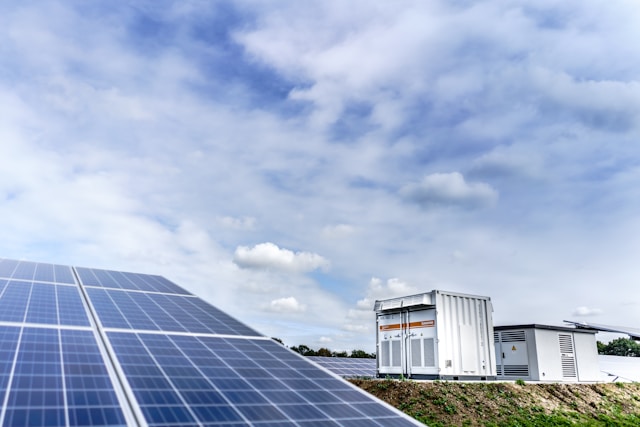
Switching to solar energy represents a major financial commitment and a significant upgrade to your home. You will likely spend thousands of dollars upfront to secure decades of reduced electricity bills and clean energy. Because this process involves complex electrical work and roof modifications, the success of your project rests heavily on the professionals who handle the installation.
Choosing the right solar panel contractor requires careful research and a clear understanding of industry standards. Many homeowners jump into contracts after speaking with a single aggressive salesperson, only to encounter hidden fees, poor communication, or sub-par equipment down the line. Protecting your investment means taking a step back, asking specific questions, and evaluating multiple options before signing any paperwork.
This guide provides a comprehensive roadmap for navigating the solar marketplace. You will learn how to verify installer credentials, evaluate equipment options, compare financial structures, and spot potential red flags. By following these steps, you can confidently select a solar professional who will deliver a safe, efficient, and highly productive energy system for your home.
Understand Your Energy Needs and Property
Before speaking with any solar panel contractor, you need a basic understanding of your own energy consumption and property layout. This preparation prevents companies from upselling you on a system that is far larger than you actually require.
Calculate Your Current Energy Usage
Gather your past twelve months of electricity bills. Solar systems are sized based on your historical energy consumption, measured in kilowatt-hours (kWh). Summer months might show spikes due to air conditioning, while winter months might reflect heating costs. By calculating your annual average, you establish a baseline for what your new solar array needs to produce. A reputable installer will ask for these bills immediately to design an accurate system proposal.
Assess Your Roof Condition
Solar panels have a lifespan of 25 to 30 years. If your roof requires replacement within the next five years, you should complete that roofing work before installing solar panels. Removing and reinstalling a solar array to accommodate a roof replacement later will add significant labor costs to your project. Additionally, take note of your roof’s orientation and shading. South-facing roofs with minimal tree coverage yield the highest energy production. If large trees shade your property, a contractor might suggest trimming branches or installing ground-mounted panels instead.
Verify Credentials and Certifications
The solar industry features a mix of highly trained experts and opportunistic sales companies. Protecting your home means verifying that the people doing the physical work possess the proper licenses and industry certifications.
Look for NABCEP Certification
The North American Board of Certified Energy Practitioners (NABCEP) represents the gold standard for solar installers. A NABCEP-certified professional has undergone rigorous training, passed standardized exams, and demonstrated a thorough understanding of safe solar installation practices. Always ask potential contractors if their lead installers hold this specific credential.
Check Local Licenses and Insurance
Solar installation combines roofing work with high-voltage electrical wiring. Your contractor must carry the appropriate local and state licenses to perform both tasks legally. Furthermore, they must possess comprehensive liability insurance and workers’ compensation coverage. If a worker sustains an injury on your property and the company lacks proper insurance, you could face severe financial liability. Request physical copies of their insurance certificates and verify them directly with the issuing agency.
Compare Multiple Solar Quotes
Obtaining at least three distinct quotes from different solar panel contractors allows you to gauge the local market rate. A quote should provide a detailed breakdown of costs, equipment, and projected energy savings.
Analyze the Price Per Watt
The most effective way to compare solar quotes is by looking at the price per watt. You calculate this by dividing the total system cost by the total wattage of the proposed system. If one contractor offers a drastically lower price per watt than the others, you should investigate their equipment quality and warranty terms carefully. Exceptionally low prices often indicate corners being cut during the installation process or the use of outdated technology.
Evaluate Equipment Quality
Solar technology varies wildly in terms of efficiency and durability. Ask each contractor about the specific brands of panels and inverters they plan to use. Monocrystalline panels generally offer the best efficiency and space optimization. Additionally, understand the difference between string inverters and microinverters. Microinverters allow each panel to operate independently, meaning a single shaded panel will not drag down the performance of the entire array.
Understand the Warranties
A robust solar contract should include multiple layers of warranties. The equipment warranty covers physical defects in the panels and inverters. The performance warranty guarantees that the panels will produce a specific percentage of their rated power after 25 years. Finally, the workmanship warranty covers the actual labor and roof penetrations. A strong workmanship warranty should last a minimum of 10 years, ensuring the contractor will fix any roof leaks caused by the installation.
Review Your Financing Options
How you pay for your solar panels directly impacts your long-term return on investment. Contractors will present several financing structures, and you must select the one that aligns with your financial goals.
Cash Purchases and Solar Loans
Buying the system outright with cash provides the highest financial return. You avoid interest payments and immediately own the equipment, which increases your property value. If cash is unavailable, a solar loan allows you to finance the system while still retaining ownership. Owning the system outright is the only way to claim the federal solar tax credit, which can significantly reduce the overall cost of your project.
Leasing and Power Purchase Agreements
Solar leases and Power Purchase Agreements (PPAs) allow you to install panels with zero upfront costs. In a lease, you pay a fixed monthly fee to rent the equipment. In a PPA, you agree to buy the electricity the panels generate at a set rate. Under both models, a third-party company owns the system. This means the third party claims the tax credits, and the solar array will not increase your home’s resale value. These options work best for homeowners who cannot utilize tax credits, but they offer the lowest overall financial savings.
Ask the Right Questions During the Consultation
The initial consultation serves as your opportunity to interview the contractor. Pay close attention to how they communicate and whether they provide direct answers to your questions.
Will You Use Subcontractors?
Many large solar companies operate purely as sales organizations. They sell you the contract and then farm the actual installation out to local subcontractors. This arrangement can lead to communication breakdowns, schedule delays, and confusion over who handles warranty claims. Prioritize companies that use their own in-house installation crews, as this ensures accountability from the initial design phase through final inspection.
Who Handles Permits and Interconnection?
Connecting a solar system to the local power grid requires building permits and an interconnection agreement with your utility company. Navigating this bureaucratic process can take weeks or even months. A reputable solar panel contractor will handle all permitting paperwork and utility communications on your behalf. Ensure your contract clearly states that the installer bears responsibility for securing all necessary approvals before construction begins.
Frequently Asked Questions About Solar Installations
How long does the actual solar installation take?
Once the permits are approved and the equipment arrives, the physical installation on your roof typically takes one to three days. The lengthiest part of the process is waiting for the city inspections and the utility company’s final approval to turn the system on.
Do solar panels require a lot of maintenance?
Solar panels have no moving parts and require very little maintenance. Occasional rain usually clears away dust and debris. If you live in a particularly dry area or experience heavy pollen, you might need to gently rinse the panels with a hose once or twice a year to maintain optimal efficiency.
What happens to my solar panels during a power outage?
Standard grid-tied solar systems will automatically shut down during a neighborhood power outage. This safety feature prevents your panels from sending electricity back into the grid and injuring utility workers repairing the lines. To keep your home powered during an outage, you must install a solar battery storage system alongside your panels.
Take the Next Step Toward Clean Energy
Hiring a solar panel contractor does not have to be a stressful endeavor. By taking the time to calculate your energy needs, verify industry credentials, and thoroughly compare quotes, you maintain control over the entire process. Focus on finding a local, established professional who offers transparent pricing and robust warranties. Armed with this knowledge, you can confidently transition to renewable energy and enjoy decades of sustainable power.