
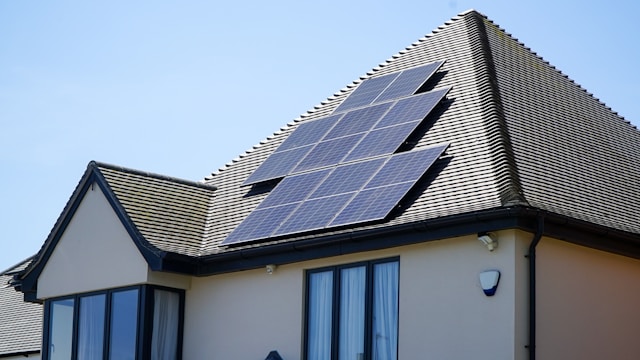
Homeowners constantly hear about the financial benefits of renewable energy. Solar contractors knock on doors and flood social media feeds, promising massive reductions in monthly utility bills. The prospect of generating your own power, securing energy independence, and eliminating electric bills is highly appealing.
However, the reality of solar savings is complex. Marketing pitches often obscure the true costs, maintenance requirements, and long-term financial commitments required to install a system. Some companies prioritize a quick sale over providing accurate, property-specific energy projections. This leaves many consumers confused about what they will actually pay and how much they will genuinely save.
This guide breaks down the numbers, the contractor tactics, and the genuine benefits of going solar. You will learn how to evaluate installation quotes, spot deceptive sales strategies, and determine if solar energy makes financial sense for your specific home.
How Solar Panels Actually Impact Your Finances
The core premise of residential solar is simple. You purchase equipment to generate electricity, which reduces or eliminates the amount of power you need to buy from your local utility company.
The upfront costs versus long-term savings
Purchasing a residential solar system requires a significant initial investment. Depending on the size of your home and your energy consumption, a standard installation can cost tens of thousands of dollars. The financial return depends on your current electricity rates. Homeowners in regions with expensive utility costs tend to see a faster return on investment.
Every kilowatt-hour of solar energy your system produces is a kilowatt-hour you do not have to buy. Over time, these daily savings accumulate. For many households, the system eventually pays for itself and begins generating a net profit.
Understanding federal and local incentives
Government policies play a massive role in making solar energy affordable. The Federal Solar Investment Tax Credit allows homeowners to deduct a significant percentage of their solar installation costs from their federal taxes.
Many states and municipalities offer additional incentives. These can include local tax exemptions, cash rebates, and Solar Renewable Energy Certificates. Researching your specific local programs is vital, as a knowledgeable solar panel contractor should help you navigate these applications to maximize your financial return.
Navigating Solar Panel Contractors
The surge in demand for renewable energy has led to a boom in solar installation companies. While many are reputable, highly skilled professionals, the industry also attracts businesses that rely on aggressive or misleading sales tactics.
Red flags of predatory sales pitches
High-pressure sales environments are a major warning sign. If a contractor insists you must sign a contract immediately to secure a special rate, you should walk away. Legitimate solar installers will give you time to review their proposal, read the fine print, and compare their offer with competitors.
Be highly skeptical of guarantees that your utility bill will completely disappear. Most homes remain connected to the traditional power grid. Even if your panels generate enough electricity to offset your usage, utility companies usually charge a baseline connection fee. A trustworthy contractor will explain these ongoing charges rather than promising a zero-dollar bill.
How to find a reputable installer
Thorough research is the best defense against poor contracting work. Start by looking for installers certified by the North American Board of Certified Energy Practitioners. This certification indicates a high level of training and adherence to industry standards.
Always request detailed quotes from at least three different companies. A professional quote should include an analysis of your roof’s sun exposure, a breakdown of the hardware being used, and a realistic timeline for a return on your investment. Read customer reviews on third-party websites, and ask the contractor to provide references from previous clients in your neighborhood.
Hidden Costs You Need to Know About
Sales presentations usually highlight the best-case scenarios. To make a sound financial decision, you must account for the less obvious expenses associated with owning a solar energy system.
Maintenance and component repairs
Solar panels are remarkably durable and require very little daily maintenance. They have no moving parts and can withstand extreme weather conditions. Most tier-one panels come with warranties lasting up to 25 years.
The inverter is a different story. This vital component converts the direct current electricity generated by the panels into the alternating current used by your home appliances. Inverters work incredibly hard and typically need to be replaced after 10 to 15 years. You should factor the cost of a future inverter replacement into your long-term solar budget.
Roof condition and replacement
Solar panels add weight to your roof and are designed to stay in place for decades. If your roof is nearing the end of its lifespan, you must replace it before installing solar equipment. Removing panels to fix a damaged roof later on is an expensive and labor-intensive process. A reputable contractor will conduct a thorough roof inspection before finalizing a system design.
Financing Your Solar System: Cash, Loan, or Lease?
How you pay for your solar panels dramatically affects your overall savings. Each financing method carries distinct advantages and drawbacks.
Buying outright with cash
Purchasing your system with cash provides the highest possible return on investment. You avoid interest rates and loan fees entirely. You also become the immediate owner of the system, allowing you to claim all available tax credits and rebates.
Solar loans
If paying upfront is not feasible, solar loans are a popular alternative. These loans allow you to own the system while paying it off in monthly installments. Many homeowners structure their loans so that the monthly payment is lower than their previous utility bill, creating immediate positive cash flow. Because you are buying the system, you still qualify for the federal tax credit.
Power Purchase Agreements and leases
Under a lease or a Power Purchase Agreement, a third-party solar company installs and owns the panels on your roof. You agree to pay the company a fixed monthly rate for the equipment or the electricity it generates.
While this option often requires zero money down, it yields the lowest long-term financial benefit. The leasing company claims the federal tax credit, not the homeowner. Furthermore, solar leases can complicate the process of selling your home, as the new buyer must agree to take over the remainder of the contract.
FAQ: Common Questions About Solar Savings
Do solar panels increase home value?
Homes equipped with owned solar energy systems generally sell for more than comparable homes without them. Buyers appreciate the prospect of lower utility bills and are often willing to pay a premium for a turnkey renewable energy setup. However, leased solar systems do not typically add value to a property.
How long does it take to break even?
The break-even point is the moment your cumulative electricity savings equal the net cost of your solar installation. For the average homeowner, this payback period ranges from six to ten years. Your specific timeline depends on local electricity rates, the cost of your system, and the amount of sunlight your property receives.
Are free solar panels a scam?
Advertisements promoting “free solar panels” are highly misleading. There is no government program that provides free solar equipment to the general public. These ads are usually lead-generation tactics for solar leasing companies. While you might not pay any upfront installation costs, you will be locked into a long-term contract to buy the generated power.
Making a Smart Choice for Your Energy Future
Transitioning to solar energy is a major home improvement project that requires careful financial planning. The potential to save money and reduce your carbon footprint is very real, provided you approach the process with a clear understanding of the costs involved.
Take the time to assess your roof, review your current utility usage, and thoroughly vet potential solar panel contractors. Demand transparency regarding equipment warranties, financing terms, and realistic energy production estimates. By asking the right questions and avoiding high-pressure sales pitches, you can confidently invest in a solar energy system that delivers lasting financial benefits for your household.