
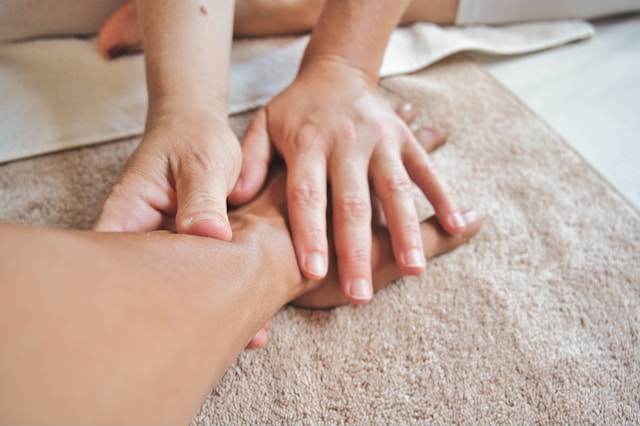
Quick answer: A lymphatic detox massage is a gentle, targeted technique designed to stimulate the body’s lymphatic system, encouraging the natural drainage of lymph fluid. Wellness enthusiasts consistently book this treatment because it effectively reduces swelling, boosts the immune system, improves skin clarity, and promotes profound relaxation without the intense pressure of traditional deep tissue massages.
The wellness industry constantly introduces new treatments, therapies, and routines designed to optimize human health. Many of these trends fade quickly. However, the lymphatic detox massage has steadily gained a dedicated following among health-conscious individuals. People are shifting their focus from purely cosmetic or superficial treatments to therapies that support the body’s internal healing mechanisms.
The lymphatic system plays a critical role in maintaining overall health, yet it is often overlooked in standard fitness and wellness conversations. Unlike the circulatory system, which relies on the heart to pump blood, the lymphatic system requires physical movement and muscle contraction to circulate fluid. Modern sedentary lifestyles frequently lead to sluggish lymphatic function. This stagnation can result in fatigue, fluid retention, and a weakened immune response.
A lymphatic detox massage directly addresses this issue. By applying specific, light-pressure techniques, a trained massage therapist can manually encourage the flow of lymph fluid. This process helps the body eliminate cellular waste and toxins more efficiently. The treatment is deeply relaxing and offers a host of systemic benefits that leave clients feeling lighter and more energized.
This comprehensive guide explores the science behind the lymphatic system and details the exact benefits of a lymphatic detox massage. You will learn what to expect during a session, how to determine if this therapy is right for your specific needs, and how to maintain optimal lymphatic health between appointments.
What is the lymphatic system and how does it function?
To understand the value of a lymphatic detox massage at Kelly Oriental, you must first understand the anatomy and function of the lymphatic system itself. The lymphatic system is a complex network of tissues, vessels, and organs that work together to move a colorless, watery fluid called lymph back into your circulatory system.
This system acts as the body’s primary waste removal infrastructure. Lymph fluid contains white blood cells, specifically lymphocytes, which are essential for fighting off infections. As the fluid travels through the lymphatic vessels, it passes through small, bean-shaped structures known as lymph nodes. These nodes act as biological filters. They trap and destroy harmful substances, including bacteria, viruses, and abnormal cells.
When the lymphatic system functions optimally, it continuously clears out toxins and maintains healthy fluid levels in the body’s tissues. However, factors like stress, lack of physical activity, poor diet, and surgery can slow down this process. When lymphatic fluid builds up, it causes a condition known as lymphedema, which manifests as swelling, stiffness, and discomfort. Supporting this system through targeted massage helps prevent this fluid buildup and keeps the immune system operating at peak capacity.
What exactly is a lymphatic detox massage?
A lymphatic detox massage is a specialized form of manual therapy. Unlike a standard Swedish massage that focuses on kneading muscles to relieve tension, a lymphatic massage uses extremely light, rhythmic strokes. The technique is specifically designed to stretch the skin gently in the direction of the lymph pathways, encouraging the fluid to move toward the lymph nodes for filtration and eventual elimination.
The massage therapist uses flat hands and a precise sequence of movements. The pressure applied is incredibly soft, often described as feeling like the weight of a coin on the skin. This light touch is necessary because the lymphatic vessels are located just beneath the surface of the skin. Pressing too hard actually collapses these delicate vessels, which prevents the fluid from moving effectively.
A typical session usually begins near the collarbone, where the main lymphatic ducts empty into the circulatory system. The therapist then methodically works their way down the body, opening up the lymphatic pathways and pushing the fluid toward the nearest cluster of lymph nodes. The repetitive, soothing nature of the strokes also triggers the parasympathetic nervous system, inducing a state of deep relaxation and stress relief.
What are the primary health benefits of lymphatic drainage?
Wellness enthusiasts return to lymphatic detox massages regularly because the benefits extend far beyond simple relaxation. This therapy provides tangible, physiological improvements that impact daily life.
How does lymphatic massage reduce swelling and fluid retention?
The most immediate and noticeable benefit of a lymphatic detox massage is a reduction in swelling. Many individuals experience fluid retention due to hormonal fluctuations, long flights, or prolonged periods of sitting. By manually pushing the stagnant lymph fluid through the body’s filtration system, the massage quickly alleviates puffiness. Clients often report that their clothes fit better and their limbs feel significantly lighter immediately following a session.
Why does lymphatic drainage boost the immune system?
The lymphatic system is deeply intertwined with the immune system. Because lymph nodes are responsible for filtering out pathogens, accelerating the movement of lymph fluid helps the body process and eliminate these threats more rapidly. Regular lymphatic massages can help increase the circulation of lymphocytes, ensuring that white blood cells are distributed efficiently throughout the body to fight off potential infections.
Can lymphatic massage improve skin health and clarity?
Skin health is closely linked to internal detoxification. When toxins accumulate in the body, the skin often reflects this burden through acne, dullness, or inflammation. By enhancing the removal of metabolic waste, a lymphatic detox massage helps clarify the complexion from the inside out. The gentle stretching of the skin also promotes healthy blood circulation, delivering fresh oxygen and nutrients to the skin cells and resulting in a healthy, natural glow.
How does this treatment support nervous system regulation?
Stress reduction is a crucial component of modern wellness. The extremely light, rhythmic strokes used in a lymphatic detox massage are incredibly soothing. This specific technique effectively calms the nervous system, shifting the body from a high-stress “fight or flight” state into a restorative “rest and digest” mode. This deep relaxation can improve sleep quality, reduce anxiety, and promote mental clarity.
Who should consider booking a lymphatic detox massage?
A lymphatic detox massage is a highly versatile treatment suitable for many different people. However, certain individuals will see more profound benefits than others based on their specific health goals and physical conditions.
Choose a lymphatic detox massage if fluid retention and swelling matter more to you than relieving deep muscle knots. This treatment is highly recommended for individuals recovering from surgery, as doctors frequently prescribe lymphatic drainage to reduce post-operative edema and accelerate tissue healing.
Additionally, people who experience frequent digestive bloating, those who sit at a desk for long hours, and athletes looking to speed up recovery times by clearing lactic acid buildup are excellent candidates for this therapy. Pregnant women often seek out lymphatic massage to alleviate the severe swelling in their legs and ankles, provided they receive clearance from their healthcare provider.
How does a lymphatic massage compare to deep tissue massage?
Understanding the difference between massage modalities is important for setting the right expectations. Deep tissue massage and lymphatic detox massage serve entirely different purposes and utilize completely different techniques.
A deep tissue massage focuses on the musculoskeletal system. The therapist uses firm, intense pressure to reach deep layers of muscle and fascia. The goal is to break up scar tissue, release chronic muscle tension, and alleviate physical pain caused by tight muscles. This type of massage can sometimes be uncomfortable and may leave the client feeling slightly sore the next day.
Conversely, a lymphatic detox massage targets the fluid system sitting just beneath the skin. The therapist uses light, rhythmic pressure that should never cause pain. The goal is to stimulate fluid movement and promote systemic detoxification. You will not receive deep muscle kneading during a lymphatic massage. If you book a lymphatic massage expecting a therapist to work out a stubborn knot in your shoulder, you will be disappointed.
What should you expect during your first lymphatic massage session?
If you are booking your first lymphatic detox massage, the experience will feel quite different from a standard spa treatment. The session typically takes place in a warm, quiet room. Depending on the practitioner, you may be asked to undress to your comfort level and lie on a massage table under a sheet.
The therapist will begin by assessing your primary areas of concern. The actual massage will start with gentle strokes near your neck and collarbone to open the main drainage pathways. The therapist will then use flat hands to apply continuous, sweeping motions across your body. You will not feel deep pressure, and the therapist will rarely use oils or lotions, as the technique requires a slight traction against the bare skin to be effective.
A standard session lasts between 60 and 90 minutes. Many clients fall asleep during the treatment due to the deeply relaxing nature of the rhythmic strokes. After the session, the therapist will likely instruct you to drink plenty of water to help your body flush out the mobilized toxins. You may notice an increased need to urinate in the hours following the massage, which is a normal sign that your body is effectively eliminating the excess fluid.
How often should you get a lymphatic detox massage for best results?
The ideal frequency for a lymphatic detox massage depends on your specific health goals and current physical condition. If you are seeking general wellness, immune support, or relaxation, scheduling a session once a month is an excellent maintenance strategy.
If you are dealing with acute swelling, recovering from surgery, or trying to jumpstart a detoxification protocol, your practitioner may recommend a more intensive schedule. In these cases, you might benefit from receiving treatments once or twice a week for a short duration, followed by a gradual transition to a monthly maintenance schedule once the initial swelling subsides. Always consult with your massage therapist or healthcare provider to develop a personalized treatment plan that aligns with your body’s needs.
How can you support your lymphatic system at home?
While a professional lymphatic detox massage provides a powerful boost to your system, daily habits play a crucial role in maintaining lymphatic health. You can easily incorporate several simple practices into your routine to keep your lymph fluid flowing smoothly.
Staying properly hydrated is the most critical step. Lymph fluid is composed mostly of water, and dehydration causes the fluid to become thick and sluggish. Drink plenty of water throughout the day to ensure your system can flush out waste effectively.
Physical movement is also essential. Because the lymphatic system lacks a central pump, it relies on the contraction of your muscles to push the fluid through the vessels. Activities like brisk walking, yoga, and swimming are excellent for stimulating lymphatic flow. Rebounding, which involves gently bouncing on a mini-trampoline, is widely considered one of the most effective exercises for lymphatic drainage due to the changes in gravitational pull.
Finally, consider adding dry brushing to your morning routine. Using a natural bristle brush, gently brush your dry skin in upward, circular motions toward your heart before taking a shower. This practice mimics the light pressure of a lymphatic massage and helps stimulate fluid movement just below the skin’s surface.
Keep Your Lymphatic System Flowing
Prioritizing your internal health is a fundamental aspect of long-term wellness. A lymphatic detox massage offers a gentle, non-invasive method for supporting your body’s natural detoxification processes, reducing uncomfortable swelling, and strengthening your immune response. By understanding how the lymphatic system works and recognizing the profound benefits of manual drainage, you can make informed decisions about your self-care routine. Schedule a consultation with a certified lymphatic massage therapist to experience the deeply restorative effects of this treatment, and begin incorporating simple, supportive habits into your daily life to keep your system flowing beautifully.
Frequently Asked Questions
Is a lymphatic detox massage painful?
No, a lymphatic detox massage is not painful. The technique utilizes very light, rhythmic pressure because the lymphatic vessels sit just below the skin’s surface. Applying hard pressure would collapse these vessels and hinder the drainage process, so the experience is generally described as gentle and deeply relaxing.
How much water should I drink after a lymphatic drainage session?
You should aim to drink at least two to three large glasses of water immediately following your session, and continue to hydrate generously throughout the rest of the day. Water is essential for flushing out the cellular waste and toxins that the massage therapist manually moved into your circulatory system for elimination.
Can anyone get a lymphatic detox massage?
Most healthy adults can safely receive a lymphatic detox massage. However, individuals with congestive heart failure, history of blood clots, active kidney infections, or certain types of cancer should avoid this treatment unless explicitly cleared by a medical doctor, as moving fluid rapidly through the body can complicate these specific conditions.
What is the difference between dry brushing and a professional lymphatic massage?
Dry brushing is an at-home maintenance practice that uses a bristle brush to gently stimulate the superficial lymph vessels on the skin. A professional lymphatic massage is a targeted, clinical therapy performed by a trained practitioner who systematically opens major lymphatic pathways and manually moves fluid through the body’s specific anatomical drainage routes.
How quickly will I see results from a lymphatic massage?
Many clients experience immediate results, such as reduced puffiness in the face or limbs, a feeling of physical lightness, and deep mental relaxation right after the session ends. More cumulative benefits, like an improved immune response and clearer skin, typically emerge after receiving consistent, regular treatments over several weeks.