
TL;DR: Buying beef online can save time and open up access to premium cuts, but only if you know what to look for. From understanding grading systems to choosing the right supplier, these seven tips will help you shop smarter, cook better, and waste less money on beef that doesn’t deliver.
Buying beef online has gone from a novelty to a legitimate way to source high-quality meat—often better than what’s sitting in the refrigerated display at your local grocery store. Online butchers and specialty meat suppliers can offer pasture-raised, dry-aged, and heritage breed cuts that most supermarkets simply don’t stock.
But the experience can go sideways fast. Without being able to touch, smell, or visually inspect a cut before purchasing, it’s easy to end up with tough steaks, poor marbling, or cuts that are totally wrong for the dish you had in mind. The good news? A little knowledge goes a long way.
Whether you’re stocking a deep freezer for the month or hunting down a prime-grade ribeye for a special occasion, these seven tips will help you buy beef online with confidence—every single time.
What Do Beef Grades Actually Mean, and Why Do They Matter?
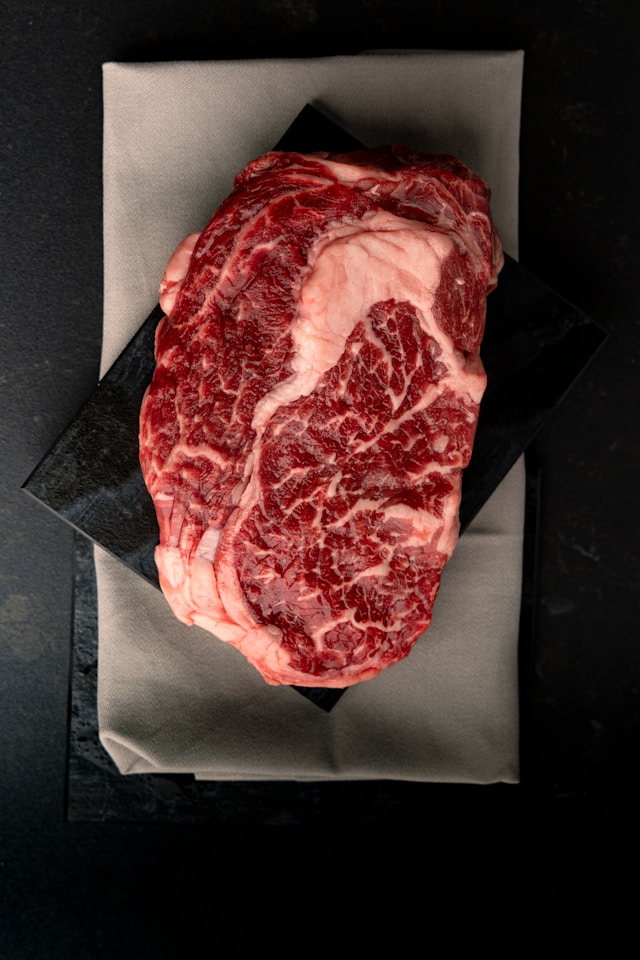
Before anything else, get familiar with the grading system used in your country. In the United States, the USDA grades beef based on marbling (the fat running through the muscle) and the age of the animal at slaughter.
The three grades you’ll most commonly encounter when shopping online are:
- Prime: The highest grade, accounting for roughly 2–3% of all graded beef in the US. Abundant marbling, exceptional tenderness. Typically sold to restaurants and high-end retailers.
- Choice: High quality with less marbling than Prime. Still excellent for grilling and roasting.
- Select: Leaner and more affordable, but noticeably less tender and flavorful. Better suited to slow cooking or marinades.
When buying beef online, always check whether a product is graded at all. Some suppliers sell ungraded beef, which isn’t necessarily inferior—but without a grade, you’re relying entirely on the supplier’s word for quality.
How Does the Breed and Raising Method Affect Beef Quality?
Not all beef is raised equally, and the breed and farming method have a direct impact on flavor, texture, and nutrition.
Grass-fed beef tends to be leaner with a more pronounced, mineral-forward flavor. It’s also higher in omega-3 fatty acids and conjugated linoleic acid (CLA) compared to grain-fed alternatives. Grain-finished beef, on the other hand, develops richer marbling and a buttery flavor profile that many consumers prefer for steaks and roasts.
Some online suppliers offer grass-fed and grass-finished beef, meaning the animal was never transitioned to grain. This distinction matters for buyers prioritizing nutrition and ethical farming. Others offer Wagyu or American Wagyu, prized for its extraordinary intramuscular fat and melt-in-your-mouth texture.
When browsing an online beef supplier, look for clear labeling around:
- Breed (Angus, Wagyu, Hereford, etc.)
- Diet (grass-fed, grain-finished, grass-finished)
- Farming practice (pasture-raised, free-range, hormone-free, antibiotic-free)
Suppliers who are transparent about these details are almost always more trustworthy than those who aren’t.
Which Cut of Beef Should You Buy for Your Cooking Method?
Matching the cut to the cooking method is one of the most overlooked factors when buying beef online—especially for first-time buyers who may default to familiar names without thinking about how they’ll use them.
Here’s a straightforward breakdown:
High-heat cooking (grilling, pan-searing):
- Ribeye – rich marbling, bold flavor
- New York strip – firm texture, great crust
- Tenderloin/Filet mignon – lean, buttery, and incredibly tender
Slow cooking (braising, stewing):
- Chuck roast – connective tissue breaks down beautifully over low heat
- Brisket – a barbecue classic; requires time but rewards patience
- Short ribs – intensely flavorful, perfect for braises and Korean-style preparations
Everyday cooking (stir-fries, tacos, burgers):
- Flank steak – lean, flavorful, best sliced thin against the grain
- Sirloin – versatile and affordable
- Ground beef (80/20 blend) – ideal fat ratio for juicy burgers
When purchasing from an online butcher, most reputable platforms include cooking recommendations alongside product descriptions. Use them. A mispriced prime tenderloin is a waste if it ends up overcooked in a slow cooker.
How Can You Evaluate an Online Beef Supplier Before Buying?
This is where many buyers skip a critical step. The supplier you choose matters as much as the cut itself.
Start with the basics: Does the website clearly state where the beef comes from? Is there information about their farms, sourcing partners, or processing facilities? Vague product descriptions—lots of marketing language with few specifics—are a red flag.
Then look at these signals:
- Third-party certifications: USDA Organic, Animal Welfare Approved, Certified Humane, and Non-GMO Project Verified are meaningful credentials, not just marketing labels.
- Customer reviews: Read them carefully, paying attention to comments about packaging quality, meat freshness on arrival, and customer service responsiveness.
- Return and refund policy: A supplier confident in their product quality will offer a clear satisfaction guarantee.
- Subscription vs. one-off orders: Many online beef suppliers offer subscription boxes. These can offer better value but lock you into regular deliveries—useful only if you have the freezer space and consumption habits to match.
If a supplier is reluctant to answer direct questions about sourcing or processing, take your business elsewhere.
What Should You Know About Packaging and Shipping Beef Online?
Proper cold-chain management is non-negotiable when buying protein online. Beef is perishable, and how it’s packaged and shipped determines whether it arrives in perfect condition or poses a food safety risk.
The best online beef suppliers use a combination of:
- Vacuum-sealing: Removes oxygen to prevent oxidation and extend shelf life. Vacuum-sealed beef also freezes significantly better than loosely wrapped cuts.
- Dry ice or gel packs: Keeps the internal temperature of the package at or below 40°F (4°C) during transit—the safe threshold recommended by the USDA.
- Insulated packaging: Thick foam or eco-friendly alternatives that maintain temperature even if the delivery is delayed by a few hours.
Before placing your first order, check the supplier’s estimated shipping times for your location and read reviews from customers in similar climates. If you live somewhere warm, a delivery that sits on your porch for six hours in summer heat is a problem even the best packaging can’t fully solve. Some suppliers allow you to specify a delivery date or require a signature—features worth using.
How Does Pricing Work, and When Is Higher Cost Worth It?
Beef purchased online is often more expensive than what you’d find at a standard grocery store, and understanding why helps you evaluate whether a price is fair or inflated.
Premium pricing is generally justified by:
- Higher-grade meat (Prime vs. Choice)
- Specialty breeds (Wagyu, Angus)
- Superior farming practices (pasture-raised, certified organic)
- Value-added processing (dry-aged, hand-trimmed)
- Smaller-scale, independent producers with higher operating costs
Where pricing becomes a red flag is when a supplier charges premium rates for standard-grade beef with vague sourcing claims. Compare prices across multiple platforms for the same cut and grade before committing.
Buying in bulk—either through a subscription box or a large one-off order—typically brings the per-pound cost down considerably. If you have a chest freezer and the appetite to match, this is almost always the smarter financial move. Vacuum-sealed beef can last up to 12 months in the freezer without significant quality loss, according to the USDA.
What Are the Best Practices for Storing Beef After It Arrives?
You’ve done the research, placed the order, and your beef has arrived in excellent condition. Now don’t fumble it at the storage stage.
If you plan to use a cut within 1–3 days, refrigerate it at or below 40°F (4°C). For anything beyond that, freeze it immediately. Vacuum-sealed packaging is freezer-ready as-is—there’s no need to repackage unless the seal has been broken.
A few additional storage tips:
- Don’t refreeze thawed beef unless it was thawed in the refrigerator (not on the counter). Refreezing affects texture and increases the risk of bacterial growth.
- Label everything with the cut name and freezing date before it goes in the freezer. Beef all looks the same after three months of freezer storage.
- Thaw in the refrigerator, not on the countertop. For large cuts like brisket or a whole roast, allow 24 hours of thaw time per 5 pounds of meat.
- Pat dry before cooking. Moisture on the surface of a steak is the enemy of a good sear. A dry surface browns faster and develops better crust.
Make Every Order Count
Buying beef online rewards buyers who do their homework. Grading, breed, cut selection, supplier reputation, packaging standards, pricing logic, and proper storage—each element builds on the last. Get all seven right, and you’ll consistently receive beef that performs better in the kitchen than anything sourced from a typical supermarket.
Start with one trusted supplier, experiment with a cut or two, and build from there. The online beef market is large enough that there’s a supplier suited to every budget, preference, and dietary priority—you just need to know what you’re looking for.
Frequently Asked Questions About Buying Beef Online
Is buying beef online safe?
Yes, to buy beef online is safe when purchased from a reputable supplier that uses proper cold-chain packaging (vacuum-sealing, dry ice or gel packs, and insulated shipping containers). The USDA recommends that beef be kept at or below 40°F (4°C) during transit. Always check that your order arrives cold and that vacuum seals are intact before consuming.
What is the best cut of beef to buy online for grilling?
Ribeye is widely considered the best cut for grilling due to its abundant marbling, which keeps the meat moist and flavorful over high heat. New York strip is an excellent alternative for those who prefer a firmer texture. For a leaner option, flank steak grills well when marinated and sliced thin against the grain.
How long does online beef last in the freezer?
According to the USDA, vacuum-sealed beef can be stored in the freezer for up to 12 months without significant quality loss. Ground beef is best used within 3–4 months of freezing, even when vacuum-sealed.
Is grass-fed beef healthier than grain-fed beef?
Grass-fed beef generally contains higher levels of omega-3 fatty acids and conjugated linoleic acid (CLA) compared to grain-fed beef, making it a nutritionally favorable choice for some consumers. Grain-fed beef typically has more marbling and a richer flavor. The best choice depends on your health priorities and flavor preferences.
What should I look for in an online beef supplier?
Look for clear sourcing information, third-party certifications (such as USDA Organic or Certified Humane), transparent return policies, and verified customer reviews. Suppliers who provide detailed information about breed, diet, and farming practices are generally more trustworthy than those relying on vague marketing language.
Is buying beef online more expensive than buying it in-store?
Online beef is often priced higher than standard supermarket beef, primarily because online suppliers tend to offer higher-grade cuts, specialty breeds, and premium farming practices. Buying in bulk or through a subscription service can significantly reduce the per-pound cost, making it competitive with—or cheaper than—comparable quality found in specialty butcher shops.