
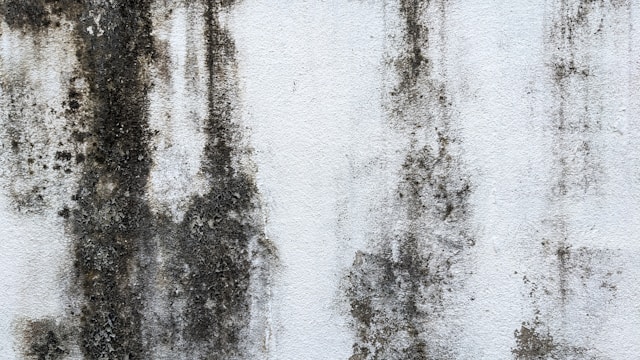
Quick answer: Hidden mold often grows in spots most homeowners never inspect—behind washing machines, under sinks, inside HVAC systems, beneath carpets, around window sills, behind wallpaper, and in attic spaces. Checking these seven areas regularly helps you catch mold early, before it spreads and threatens your health or home value.
Mold has a sneaky habit of showing up where you least expect it. You might scrub your bathroom tiles until they shine, yet miss a colony quietly spreading behind your washing machine. The trouble with mold is that it thrives in dark, damp, and forgotten corners—exactly the places homeowners rarely think to look.
Left unchecked, mold does more than stain your walls. It can trigger allergies, aggravate asthma, damage building materials, and lower your property value. The Environmental Protection Agency (EPA) notes that mold can begin growing on damp surfaces within 24 to 48 hours, which means a small leak can turn into a serious problem faster than you’d think.
This guide walks you through seven often-overlooked spots where mold likes to hide. You’ll learn what causes mold in each area, what warning signs to watch for, and when to handle cleanup yourself versus calling a professional. By the end, you’ll know exactly where to point your flashlight during your next home inspection.
What Is Mold Remediation, and Why Does It Matter?
Mold remediation is the process of identifying, removing, and cleaning up mold growth in a building, then addressing the moisture source that caused it. Remediation goes beyond simple cleaning—it aims to return mold levels to a normal, healthy range and prevent regrowth.
Here’s why this matters: mold spores exist naturally almost everywhere, both indoors and outdoors. Problems start when spores land on wet surfaces and multiply. According to the EPA, the key to controlling indoor mold is controlling moisture. That’s why finding hidden mold early is so valuable. Catch it before it spreads, and you’ll save yourself thousands in repairs and protect your family’s health at the same time.
1. Behind and Beneath Your Washing Machine
Your laundry area combines everything mold loves: moisture, warmth, and darkness. Front-loading washers are especially prone to mold because water collects in the rubber door gasket and detergent drawer.
Pull your machine away from the wall and check the floor underneath. Look for water stains, warped flooring, or a musty smell. Then inspect the rubber seal around the door—wipe it with a cloth and check for black or gray spots.
What to watch for:
- A persistent musty odor, even after cleaning
- Black spotting on the door gasket
- Water pooling behind or beneath the unit
Leave the washer door open between loads so the drum can dry out. Wipe the gasket weekly, and run a hot cycle with a washing machine cleaner once a month.
2. Under Kitchen and Bathroom Sinks
The cabinet under your sink is a mold hotspot for one simple reason: slow leaks. A drip from a pipe fitting or a worn seal can go unnoticed for months because the cabinet stays closed and dark.
Empty the cabinet and run your hand along the pipes and cabinet floor. Feel for dampness, and look for discoloration, bubbling paint, or a swollen cabinet base. Even a small amount of standing water is enough to start a colony.
What to watch for:
- Water rings or dark patches on the cabinet floor
- A damp or earthy smell when you open the door
- Peeling or warping wood
Fix any leaks right away, and consider placing a leak detector near your pipes. A small dehumidifier or moisture-absorbing packet inside the cabinet can also help.
3. Inside Your HVAC System and Air Ducts
Your heating and cooling system moves air throughout your entire home. If mold grows inside the ducts or on the evaporator coil, spores get distributed into every room. This is one of the more serious hidden-mold problems because it affects your air quality directly.
Condensation forms naturally inside air conditioning systems, and without proper drainage, that moisture feeds mold. You may not be able to see deep into your ductwork, but you can check the visible vents and the area around your indoor unit.
What to watch for:
- A musty smell that gets stronger when the system runs
- Visible mold around vents or registers
- Unexplained allergy symptoms that improve when you leave the house
If you suspect mold in your HVAC system, this is usually a job for professionals. Duct cleaning and coil treatment require specialized equipment, and disturbing hidden mold can release large amounts of spores into your home.
4. Beneath Carpets and Padding
Carpet acts like a sponge. When moisture reaches the padding underneath—whether from a spill, a leak, or high humidity—it can stay trapped for a long time. Basement carpets and carpets on concrete slabs are especially vulnerable because concrete holds moisture.
Press firmly on suspicious areas of carpet. If it feels damp or you notice discoloration, mold may be growing in the padding below. Peel back a corner in a hidden spot to inspect the underside.
What to watch for:
- A stale, musty smell in a carpeted room
- Discolored patches or dark spots
- A damp feeling underfoot
Dry any wet carpet within 24 to 48 hours to prevent growth. If padding has been soaked for longer, it usually needs replacing. Mold that has spread through carpet fibers and padding is difficult to remove completely.
5. Around Window Sills and Frames
Windows collect condensation, especially in winter when warm indoor air meets cold glass. That moisture pools on sills and seeps into frames, feeding mold growth in a spot most people wipe only occasionally.
Check the tracks of sliding windows, the corners of the frame, and the seal where the window meets the wall. Dust and dirt in these areas give mold something to feed on, so keeping them clean does double duty.
What to watch for:
- Black or green spots along the frame or seal
- Condensation that lingers on the glass
- Peeling paint or soft, rotting wood around the frame
Wipe condensation from windows regularly and improve ventilation in rooms where moisture builds up. Running a dehumidifier and opening windows on dry days can lower indoor humidity.
6. Behind Wallpaper and Wall Coverings
This one surprises a lot of homeowners. The glue used to hang wallpaper is an organic material, and combined with trapped moisture, it becomes an ideal food source for certain types of mold. Because the growth happens behind the paper, you often can’t see it until it’s widespread.
Look for wallpaper that’s bubbling, peeling, or discolored. A pinkish, purple, or orange tint bleeding through can signal mold growth underneath. This is more common in humid rooms like bathrooms and kitchens.
What to watch for:
- Bubbling, lifting, or peeling wallpaper
- Strange stains bleeding through the surface
- A musty smell near papered walls
If you find mold behind wallpaper across a large area, remediation may involve removing the covering and treating the wall beneath. Small spots can sometimes be handled yourself, but widespread growth calls for a professional assessment.
7. In the Attic and Around Roof Penetrations
Attics are prime mold territory because they combine poor ventilation, temperature swings, and potential roof leaks. Mold often appears around vents, chimneys, and skylights where water can sneak in, and on the underside of roof sheathing.
Grab a flashlight and inspect the wood beams, insulation, and the underside of the roof. Dark staining on the sheathing is a common sign. Also check that bathroom and kitchen exhaust fans vent outside rather than into the attic—venting warm, moist air into an enclosed space is a recipe for mold.
What to watch for:
- Dark streaks or spots on roof sheathing and beams
- Damp or matted insulation
- Frost or condensation on the underside of the roof in cold weather
Improve attic ventilation and fix any roof leaks promptly. Because attic mold often points to a moisture or ventilation problem, addressing the root cause is just as important as removing the mold itself.
When Should You Call a Mold Remediation Professional?
Small patches of mold—generally less than about 10 square feet, according to EPA guidance—can often be cleaned by homeowners using proper safety gear and cleaning methods. But some situations call for expert help.
Choose a professional if any of these apply:
- The affected area is larger than 10 square feet
- Mold is inside your HVAC system or ductwork
- You’ve had significant water damage or flooding
- Mold keeps coming back after you clean it
- Anyone in your home has mold-related health issues, such as asthma or a weakened immune system
Professionals can identify hidden mold, contain the area to prevent spread, remove contaminated materials safely, and address the underlying moisture source. That last step is what separates real remediation from a temporary fix.
Protect Your Home Before Mold Takes Hold
Mold rarely announces itself. It grows quietly in the spots you don’t check—behind appliances, under sinks, inside ducts, and above your ceiling. The good news is that a regular inspection routine puts you back in control. Grab a flashlight, follow the seven areas in this guide, and trust your nose: that musty smell is often the first clue.
Make hidden-mold checks part of your seasonal home maintenance, especially after heavy rain or plumbing work. Control moisture, improve ventilation, and act quickly when you spot trouble. Catching mold early is always cheaper and easier than dealing with a full-blown infestation later.
If you find widespread growth or you’re unsure how serious it is, don’t wait—reach out to a qualified mold remediation specialist for an inspection.
Frequently Asked Questions
How much does mold remediation cost?
Costs vary widely depending on the size and location of the mold. Small do-it-yourself cleanups may only cost the price of cleaning supplies and protective gear. Professional remediation ranges from a few hundred dollars for a minor issue to several thousand for extensive mold in areas like HVAC systems or after major water damage. Get multiple quotes and ask what the estimate includes.
How long does mold remediation take?
A small, contained job for mold removal might take a single day. Larger projects involving multiple rooms, HVAC systems, or structural materials can take several days to a week or more. The timeline also depends on how long it takes to dry the area and fix the moisture source that caused the mold.
Can I remove mold myself, or do I need a professional?
You can usually handle small areas—under about 10 square feet—yourself, provided you wear gloves, a mask, and eye protection. Call a professional for larger areas, mold in your HVAC system, recurring mold, or if anyone in your home has respiratory issues or a compromised immune system.
What are the health risks of hidden mold?
Exposure to mold can cause a range of symptoms, including nasal congestion, coughing, wheezing, eye irritation, and skin rashes. People with asthma, allergies, or weakened immune systems are more sensitive and may experience stronger reactions. Prolonged exposure can worsen respiratory conditions.
How can I prevent mold from coming back?
Controlling moisture is the single most effective way to prevent mold. Fix leaks promptly, keep indoor humidity below 60 percent, use exhaust fans in bathrooms and kitchens, ensure good ventilation, and dry any wet materials within 24 to 48 hours. Regular inspections of the seven areas covered above will help you catch problems early.