
TL;DR: LED 3D signage combines illuminated lettering with physical depth to create signs that stand out far more than flat alternatives. Businesses across retail, hospitality, and corporate sectors use these signs to boost visibility, reinforce brand identity, and attract more foot traffic—day and night.
Walk past a well-made LED 3D sign and you’ll feel it before you read it. There’s something about a sign that projects outward—letters that cast shadows, edges that catch light, depth that gives a brand a physical presence—that a flat printed banner simply cannot replicate. That’s not an accident. It’s physics, psychology, and smart branding working together.
For businesses competing in crowded streets, busy shopping centers, or high-traffic commercial districts, visibility is everything. A sign isn’t just a label. It’s often the first impression a potential customer gets, and the difference between stopping and walking past. LED 3D signage has emerged as one of the most effective tools for making that first impression count.
This guide breaks down what LED 3D signage actually is, how it works, which industries benefit most from it, and what to consider before investing. Whether you’re opening a new location or refreshing an existing one, understanding the mechanics and strategy behind dimensional signage will help you make a smarter decision.
What Is LED 3D Signage?
LED 3D signage refers to dimensional signs—typically individual letters, logos, or shapes—that are physically raised off a mounting surface and illuminated using LED technology. Unlike printed signs or flat lightboxes, these signs have genuine physical depth, usually ranging from a few centimeters to several inches, depending on the design.
The LED component can work in several ways. In some configurations, lights are embedded within each letter so the face glows (front-lit). In others, LEDs sit behind the letters, projecting a halo of light onto the wall behind them (backlit or halo-lit). Some signs combine both, creating a layered glow effect that reads clearly from a distance and looks striking up close.
Common materials used for the dimensional elements include:
- Acrylic — smooth, glossy finish; excellent light diffusion; popular for retail and hospitality
- Brushed metal (aluminum or stainless steel) — premium look; common for corporate and luxury brands
- Foam with a surface finish — lightweight; cost-effective for large-format installations
- PVC and composite materials — durable, weather-resistant; suited for outdoor environments
The result is a sign that has visual weight. It exists in three dimensions, casts a shadow in daylight, and glows at night. That combination of properties is what makes LED 3D signage so consistently attention-grabbing.
Why Depth and Dimension Work: The Visual Science Behind 3D Signs
Human vision is naturally drawn to objects with depth. The brain processes three-dimensional shapes faster than flat ones because it has evolved to notice objects that occupy physical space—a survival mechanism that now works in favor of smart signage design.
Research in environmental psychology supports this. Studies on visual attention consistently show that dimensional and illuminated stimuli outperform flat, non-lit alternatives in capturing initial attention and sustaining it. A 2012 study published in the Journal of Retailing found that exterior signage quality directly influenced consumer perceptions of store quality and purchase intent—even before a customer entered the premises.
LED illumination adds another layer. The human eye is highly sensitive to light contrast, particularly in low-light conditions. An illuminated sign at dusk or at night effectively has no competition from its surrounding environment—it becomes the focal point by default.
Combine depth with illumination and you get a sign that works across lighting conditions, at varying distances, and against complex visual backgrounds. That’s a significant practical advantage in any commercial setting.
Which Businesses Benefit Most from LED 3D Signage?
LED 3D signage isn’t limited to one industry. The format is versatile enough to serve a wide range of business types, though some sectors see particularly strong returns.
Retail Stores and Boutiques
Retail environments are intensely competitive for foot traffic. A dimensional storefront sign with warm or brand-matched LED lighting immediately elevates the perceived value of the products inside. Luxury boutiques, in particular, use brushed metal 3D letters with halo lighting to signal premium positioning before a customer even steps through the door.
Restaurants, Cafés, and Bars
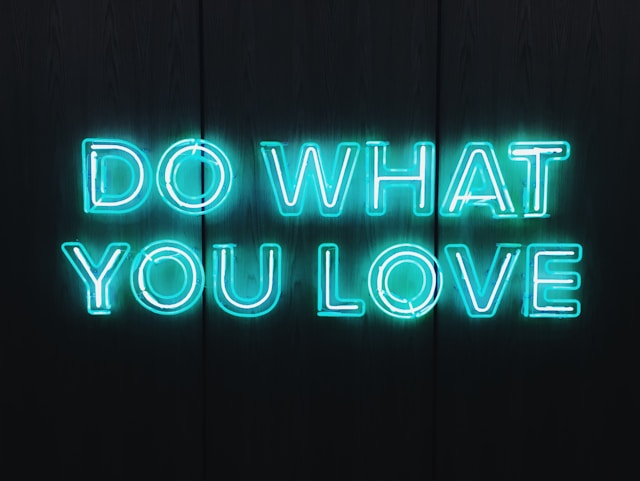
Hospitality businesses often operate in the evening, making LED illumination essential. A well-lit 3D sign above a restaurant entrance draws attention from across the street, communicates that the venue is open, and sets a tone for the experience inside. Neon-style LED signs used indoors as décor elements have also become a significant trend in this category—doubling as both branding and atmosphere.
Hotels and Serviced Apartments
For accommodation businesses, signage needs to function 24 hours a day. LED 3D signs on building façades or reception areas provide constant visibility and reinforce brand professionalism at every guest touchpoint.
Corporate Offices and Co-working Spaces
Reception area signage is a form of brand communication to clients, partners, and employees. Dimensional logos mounted on feature walls—often in brushed aluminum with subtle backlighting—are now standard in professional office environments. They signal investment, stability, and attention to brand detail.
Healthcare and Education
Clinics, hospitals, private schools, and universities use 3D signage to project trust and longevity. The permanence of a dimensional sign, compared to a printed alternative, aligns with how these institutions want to be perceived.
How to Use Depth and Dimension Strategically in Your Signage
Knowing that 3D LED signs are effective is one thing. Using them strategically is another. Here’s how businesses get the most out of the format.
Match Lighting Style to Brand Personality
Front-lit signs with bright white LEDs communicate energy, modernity, and approachability—common choices for gyms, fast-casual dining, and tech brands. Halo-lit signs with warm amber or soft white LEDs project sophistication and exclusivity—better suited for fine dining, beauty brands, or professional services.
The color temperature of the LEDs matters as much as the color of the lettering itself. A mismatch between lighting tone and brand positioning can undermine an otherwise well-made sign.
Consider Viewing Distance and Letter Size
A sign designed primarily for pedestrian traffic at close range can afford more detail and smaller lettering. A sign meant to attract attention from a moving vehicle needs larger letters, higher contrast, and simpler shapes. The depth of the dimensional elements should also scale with viewing distance—deeper reveals are more impactful from afar, while shallower profiles suit interior or close-proximity applications.
Use Dimensional Elements to Highlight What Matters
Not every word on a sign needs to be three-dimensional. Many effective installations use a combination—dimensional and illuminated brand name paired with flat, printed secondary information like a tagline or category descriptor. This hierarchy guides the eye and prioritizes the most important information.
Plan for Day and Night Performance
The best LED 3D signs are designed to perform in both daylight and after dark. During the day, the physical depth and quality of materials carry the visual weight. At night, the illumination takes over. Signs that rely entirely on lighting—without strong dimensional form—can look underwhelming in daylight. A good sign manufacturer will account for this in the design phase.
What to Look for When Commissioning LED 3D Signage
Before briefing a signage manufacturer or designer, it’s worth understanding what separates a well-made sign from a poor one.
LED quality and lifespan — Commercial-grade LEDs should offer a lifespan of 50,000 hours or more. Lower-grade components will fade, flicker, or fail within a few years. Always ask for specifications.
Weather resistance — Outdoor signs need appropriate IP ratings (typically IP65 or higher) to protect against rain, dust, and temperature variation. Confirm this before installation, not after.
Materials and finish — The quality of the outer material affects both the visual result and the long-term durability. Powder-coated aluminum and UV-stable acrylic hold up significantly better than cheaper alternatives over time.
Compliance and permits — Many local councils and building codes regulate signage size, lighting intensity, and placement. A reputable supplier will flag these requirements upfront. Skipping this step can result in costly modifications after installation.
Warranty and servicing — LED modules can fail individually. A sign supplier who offers modular replacement and a clear warranty is a safer long-term investment than one who doesn’t.
Frequently Asked Questions About LED 3D Signage
How long do LED 3D signs last?
Quality commercial LED 3D signs typically last between 10 and 15 years with proper maintenance. The LED modules themselves are rated for 50,000 hours or more of operation, which equates to over a decade of nightly use.
How much does LED 3D signage cost?
Costs vary significantly based on size, materials, complexity, and LED configuration. Small interior signs can start from a few hundred dollars, while large-format exterior installations for commercial buildings can run into the tens of thousands. Custom fabrication, structural mounting requirements, and electrical work all affect the final price.
Can LED 3D signs be used indoors?
Yes. Indoor applications include reception walls, retail display areas, restaurant interiors, and event installations. Indoor signs generally don’t require weather-resistant ratings, which can reduce costs and expand material options.
What’s the difference between front-lit and halo-lit 3D signs?
Front-lit signs have LEDs inside the letter face, so the face itself glows outward. Halo-lit (or backlit) signs have LEDs positioned behind the letters, projecting light onto the mounting surface and creating a glowing aura around each letter. Halo lighting tends to look more premium and is popular for luxury and corporate applications.
Do 3D LED signs require planning permission?
This depends on location, sign size, and local regulations. Signs on building façades, particularly illuminated ones, often require council approval. A qualified signage company should be able to advise on local requirements before fabrication begins.
Are LED 3D signs energy-efficient?
Modern LED technology at led3dsignage.sg is highly energy-efficient compared to older neon or fluorescent sign lighting. LED signs consume significantly less power for equivalent brightness and generate less heat, which also extends component lifespan.
Make Your Signage Work as Hard as Your Business Does
A well-executed LED 3D sign doesn’t just mark a location—it communicates brand values, attracts attention at a distance, and makes an impression that outlasts the moment a customer walks past. Flat signage can convey information. Dimensional, illuminated signage creates presence.
For businesses investing in a physical location, the sign above the door is one of the highest-impact brand assets available. Getting it right means understanding the materials, the lighting, the viewing context, and the brand message you want to project—then finding a manufacturer who can deliver on all four.
The technology is accessible, the design possibilities are broad, and the return on a quality installation is measurable in foot traffic, brand recognition, and customer perception. The question isn’t whether LED 3D signage is worth it. For most businesses competing for attention in a physical environment, the more relevant question is how long you can afford to go without it.