
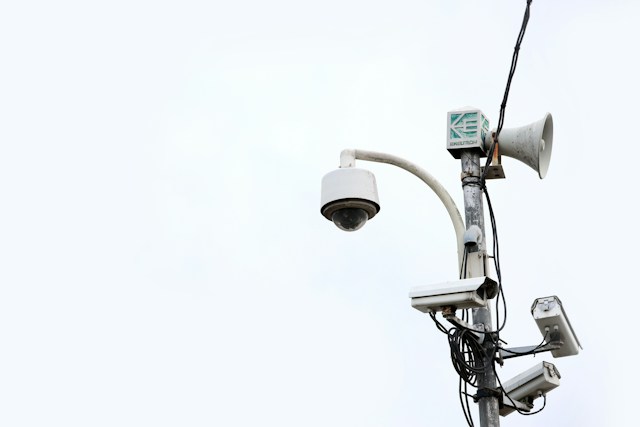
Quick answer: Retail CCTV in Singapore works best when camera placement, signage, and footage management are designed around both loss prevention and customer comfort. Retailers should prioritize entrances, checkout counters, and high-value displays, use discreet dome cameras in customer-facing areas, and pair coverage with clear privacy signage that complies with Singapore’s Personal Data Protection Act (PDPA). This approach protects merchandise and staff without making shoppers feel surveilled.
Walk into almost any retail store in Singapore, and you’ll spot a CCTV camera within seconds. Tucked into ceiling corners, mounted above cash registers, or built discreetly into store signage, these systems have become as much a part of the retail landscape as price tags and shopping bags. Retailers rely on them to deter theft, resolve disputes, and monitor operations. But there’s a tension worth addressing: how do you maintain robust security coverage without making your store feel like an interrogation room?
This question matters more than it might seem. Shoppers who feel watched — rather than simply safe — tend to browse less, linger less, and spend less. Singapore’s retail sector, known for its polished malls and customer-first service culture, can’t afford to sacrifice ambiance for surveillance. The good news is that retailers don’t have to choose one over the other. With thoughtful planning, CCTV systems can protect a business while preserving the open, welcoming feel that keeps customers coming back.
This post breaks down how Singapore retailers can design a CCTV strategy that covers security essentials, respects privacy regulations, and keeps the shopping experience pleasant.
Why does retail CCTV matter for Singapore businesses?
Singapore retail spaces face many of the same risks as retailers everywhere: shoplifting, employee theft, disputes over transactions, and liability claims from slip-and-fall incidents. CCTV footage serves as objective evidence in each of these scenarios, which is why insurance providers and mall management companies often require a baseline level of camera coverage as a condition of tenancy.
Beyond loss prevention, retail CCTV from commercialcctvsecurity.sg supports operational insights. Store managers can review footage to understand foot traffic patterns, identify bottlenecks near fitting rooms or checkout counters, and evaluate staff performance during peak hours. Used well, a camera system becomes a business intelligence tool, not just a security measure.
Where should retailers place CCTV cameras in a store?
Camera placement determines whether a system is genuinely effective or just a visual deterrent. The most valuable positions for retail CCTV include:
- Entrances and exits: These capture every person entering or leaving, which is essential for both security investigations and traffic analysis.
- Checkout counters: Cameras here document transactions, protecting against both customer disputes and internal theft at the point of sale.
- High-value or high-theft merchandise: Electronics, cosmetics, and designer goods are common shoplifting targets and warrant closer monitoring.
- Fitting rooms (exterior only): Cameras should never point inside changing areas, but monitoring the entrance helps track item counts going in and out.
- Stockrooms and back-of-house areas: Internal theft is a significant contributor to retail shrinkage, and back-of-house cameras address this blind spot.
- Blind corners and low-traffic aisles: These areas are more vulnerable to concealment and require coverage that main aisles may not need.
A well-designed layout avoids redundant coverage of low-risk areas while closing gaps in higher-risk zones — a balance that requires walking the store floor with a security consultant rather than relying on guesswork.
How can retailers use CCTV without making shoppers feel watched?
This is where design choices matter as much as placement. A few strategies help retailers maintain security without creating a surveillance-heavy atmosphere:
Choose discreet camera housings
Dome cameras with tinted or smoked covers blend into ceiling tiles and store fixtures far better than bulky bullet cameras with visible lenses pointed directly at customers. Many Singapore malls and flagship stores now favor mini-dome or hidden-mount cameras that maintain a sleek aesthetic consistent with modern retail interiors.
Integrate cameras into store design
Rather than treating CCTV as an afterthought bolted onto the ceiling, some retailers work with interior designers to conceal cameras within light fixtures, signage, or decorative elements. This keeps the security infrastructure present but visually unobtrusive.
Be transparent, not intrusive
Clear, simple signage indicating that CCTV is in operation reassures customers rather than alarming them. Vague or aggressive messaging (“You Are Being Watched”) can feel confrontational, while a neutral notice (“This area is monitored by CCTV for your safety”) communicates the same information more comfortably.
Avoid excessive camera density in customer zones
It’s tempting to over-install cameras in high-traffic areas, but a dense cluster of visible lenses can feel oppressive. Concentrate visible coverage on transaction points and entrances, and rely on wider-angle lenses to cover browsing areas with fewer total units.
What are the legal requirements for CCTV use in Singapore retail stores?
Singapore retailers must operate within the framework of the Personal Data Protection Act (PDPA), which governs the collection, use, and disclosure of personal data — including CCTV footage that can identify individuals. Retailers should keep the following principles in mind:
- Notification: Customers should be informed that CCTV is in use, typically through visible signage at store entrances.
- Purpose limitation: Footage should be collected for legitimate purposes such as security and safety, not for unrelated uses like marketing profiling without consent.
- Data protection: Footage must be stored securely, with access limited to authorized personnel.
- Retention limits: Retailers shouldn’t keep footage indefinitely. Establishing a clear retention period (commonly 30 to 90 days, depending on business needs) and deleting footage afterward reduces both storage costs and compliance risk.
Retailers operating within shopping malls should also check individual mall management guidelines, as many malls in Singapore, such as those managed by CapitaLand or Frasers Property, have their own CCTV and security protocols that tenants must follow in addition to PDPA requirements.
What type of CCTV system is right for a Singapore retail store?
Choose a system based on store size, layout complexity, and budget:
- Choose a basic IP camera system if you’re running a small boutique or single-counter store and need reliable entrance and checkout coverage without a large investment.
- Choose a networked, multi-camera system with centralized monitoring if you operate a mid-sized store with multiple aisles, fitting rooms, or a stockroom that needs coverage.
- Choose an AI-enabled analytics system if you run a larger retail operation and want additional features like people-counting, heat mapping, or automated alerts for suspicious behavior, on top of standard recording.
Retailers with multiple outlets across Singapore often benefit from cloud-based CCTV platforms that allow head office teams to review footage across locations without needing to be physically present at each store.
How does good CCTV design affect the customer shopping experience?
Customers respond to environment cues, often without consciously registering them. A store that feels overly monitored — through visible cameras at eye level, aggressive signage, or security staff hovering near displays — can create subtle discomfort that shortens visit duration. On the other hand, a store that feels open and well-lit, with security measures blended into the design, tends to encourage relaxed browsing.
This doesn’t mean retailers should hide their security measures entirely. Visible-but-unobtrusive cameras can actually reassure shoppers, particularly in electronics or jewelry stores, by signaling that the environment is safe and monitored against theft. The goal is calibration: enough visibility to deter bad actors and comfort honest shoppers, without so much visibility that it dominates the customer experience.
Choosing security without sacrificing hospitality
Retail CCTV in Singapore isn’t a binary choice between protecting a business and creating a pleasant shopping environment. The most effective systems achieve both by focusing camera placement on genuine risk areas, selecting discreet hardware, communicating transparently with customers, and staying compliant with PDPA requirements.
Retailers evaluating their current setup should start with a walkthrough audit: identify where theft or disputes have occurred in the past, map those against current camera coverage, and look for gaps or redundancies. From there, working with a licensed security systems provider familiar with Singapore’s retail and regulatory landscape can help translate that audit into a system that protects the bottom line without compromising the customer experience.
Frequently asked questions
Does Singapore law require retail stores to have CCTV?
No. Singapore does not have a blanket legal requirement for retail stores to install CCTV. However, many shopping malls require tenants to install a minimum level of coverage as part of their lease agreements, and insurance providers may offer better terms to stores with security systems in place.
How long can retailers keep CCTV footage in Singapore?
The PDPA doesn’t specify an exact retention period, but it requires businesses to stop retaining personal data once it’s no longer needed for the purpose it was collected. Most Singapore retailers set retention periods between 30 and 90 days, unless footage is needed for an ongoing investigation or legal matter.
Can retail CCTV footage be used for marketing purposes, like analyzing customer behavior?
Only with appropriate consent or anonymization. Under the PDPA, using footage to identify individuals for marketing profiling without consent would likely breach data protection rules. Retailers wanting to analyze foot traffic or behavior patterns should use anonymized analytics tools rather than identifiable footage.
What’s the difference between visible and hidden CCTV cameras in retail?
Visible cameras, such as dome or bullet cameras mounted openly, act as a deterrent and reassure customers that the space is monitored. Hidden or concealed cameras are typically used in back-of-house areas or to catch specific incidents without alerting potential offenders. In customer-facing retail areas, Singapore businesses generally favor visible-but-discreet options to balance transparency with aesthetics.
How much does a retail CCTV system typically cost in Singapore?
Costs vary widely based on store size, camera count, and features. A small boutique with basic IP cameras might spend a modest amount on equipment and installation, while a larger store with AI-enabled analytics and centralized monitoring across multiple locations will involve a significantly higher investment. Retailers should request quotes from licensed security providers based on their specific floor plan and risk profile.