
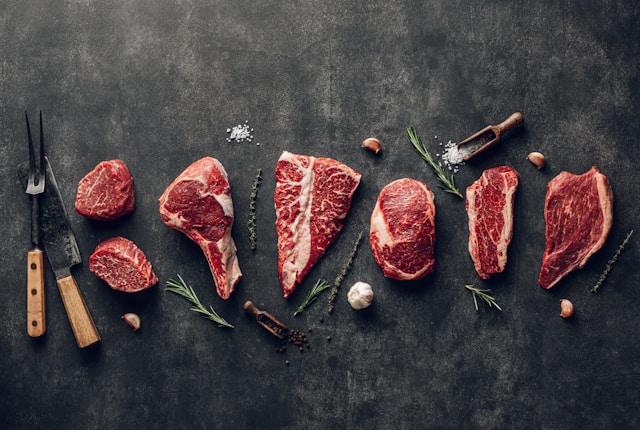
Quick answer: The best beef for Singapore home-cooked meals depends on the dish. Use well-marbled cuts like ribeye or chuck for braised dishes and stews, lean cuts like sirloin or tenderloin for quick stir-fries, and richly marbled wagyu or brisket for steamboat. Buying beef online in Singapore gives you access to premium cuts at competitive prices, delivered to your door.
Singapore’s home cooking scene has changed dramatically over the past few years. More households are cooking restaurant-quality meals at home—and beef is at the heart of many of them. From a slow-simmered bak kut teh variation to a sizzling black pepper beef stir-fry, the right cut makes all the difference.
The challenge? Walking into a supermarket and staring at a refrigerated shelf full of vague labels like “stewing beef” or “beef slices” doesn’t tell you much. When you buy beef online in Singapore, the experience is different. Reputable online butchers typically list the exact cut, grade, fat content, and country of origin—information that actually helps you cook better.
This guide breaks down which beef cuts work best for popular Singapore home-cooked dishes, what to look for when shopping online, and how to make sure you’re getting quality every time.
Why More Singapore Home Cooks Are Buying Beef Online
Online grocery shopping surged during the COVID-19 pandemic, and buying meat online has stuck around—for good reason. Online butchers in Singapore often source directly from farms in Australia, the US, and Japan, cutting out multiple middlemen. The result is fresher product, better traceability, and a wider range of cuts than most supermarkets carry.
You also get access to specialty options that are genuinely hard to find in-store: full brisket flats, bone-in short ribs, USDA Prime grades, and various wagyu marble scores. For home cooks who take their food seriously, that matters.
Convenience is the other factor. Most online beef suppliers in Singapore offer chilled or frozen delivery within one to three days. Many provide vacuum-sealed packaging that extends shelf life and preserves quality during transit.
How to Read a Beef Label When Shopping Online
Before choosing a cut, it helps to understand what the labels actually mean.
What does beef grading mean for Singapore buyers?
Beef grading systems vary by country. Here’s a quick breakdown of the grades most commonly sold in Singapore:
- USDA Prime: The top grade from the United States Department of Agriculture, awarded to beef with abundant marbling. Roughly 2% of all US beef earns this grade. Best for dry-heat cooking methods—grilling, roasting, and pan-searing.
- USDA Choice: One step below Prime, with less marbling but still high quality. A reliable option for most home-cooked dishes.
- Australian MSA (Meat Standards Australia): A science-based grading system that scores beef on tenderness, juiciness, and flavor. MSA-graded beef is widely available in Singapore.
- Wagyu marble scores (BMS 1–12): Japanese Wagyu and Australian Full-Blood Wagyu are graded on the Beef Marbling Score. For steamboat and shabu-shabu, aim for BMS 6 and above for that signature melt-in-your-mouth quality.
What countries supply most of the beef sold in Singapore?
Australia supplies the majority of beef consumed in Singapore, followed by the United States and Japan. Brazil and New Zealand are also common origins. Country of origin affects flavor profile, feed type (grain-fed vs. grass-fed), and price. Grain-fed beef tends to have more marbling and a milder flavor; grass-fed beef is often leaner with a more pronounced, earthy taste.
The Best Beef Cuts for Popular Singapore Home-Cooked Dishes
This is where the real decision-making happens. Different cooking methods require dramatically different cuts.
Which beef cut is best for steamboat (lok lok)?
Steamboat is one of the most popular ways to enjoy beef in Singapore homes, especially during family gatherings. For this dish, you want paper-thin slices that cook in seconds and carry enough fat to stay juicy.
Best cuts:
- Wagyu ribeye slices (BMS 6+): The gold standard for steamboat. The high fat content means the beef cooks beautifully in seconds and practically melts on the tongue.
- Chuck roll slices: A more affordable alternative with decent marbling. Works well for extended steamboat sessions where you’re cooking large quantities.
- Brisket slices: Slightly chewier than ribeye but packed with beefy flavor. Popular in hotpot restaurants across Singapore.
When buying beef for steamboat online, look for pre-sliced options labeled “shabu-shabu cut” or “hotpot slices.” These are frozen thin enough to cook quickly without becoming tough.
What beef cut should you use for stir-fry dishes?
Stir-fries are fast and hot—the entire cooking process often takes less than five minutes. Toughness is the enemy here. You need a lean, tender cut that can handle high heat without becoming chewy.
Best cuts:
- Sirloin: A consistently reliable choice for stir-fry. Lean enough to cook fast, but flavorful enough to stand up to bold sauces like black pepper or oyster sauce.
- Tenderloin (eye fillet): The most tender cut on the animal. Minimal fat, soft texture, and ideal for dishes where the beef is the star—think beef with broccoli or ginger-scallion beef.
- Flank steak: Lean and flavorful with visible grain. Slice it thinly against the grain before stir-frying for maximum tenderness.
One trick worth noting: marinating your beef in a mix of soy sauce, cornstarch, and a small amount of baking soda for 30 minutes before cooking—a technique called velveting—dramatically improves texture. This works especially well with flank and sirloin.
Which cuts work best for braised beef dishes?
Braised beef dishes—nai huang beef, soy-braised brisket, or any slow-cooked rendition—benefit from cuts with lots of connective tissue and fat. These break down over time into gelatin, giving the braising liquid a rich, glossy consistency.
Best cuts:
- Brisket: The classic choice for braising. Singapore-style soy-braised brisket is a hawker favorite replicated at home. Buy a full flat or point cut for best results.
- Chuck: Well-marbled and collagen-rich. When braised for two to three hours, chuck becomes incredibly tender and practically falls apart.
- Short ribs: Bone-in short ribs are exceptional for slow braises. The bone adds depth to the sauce; the meat clings to the bone and becomes tender over low heat.
- Beef shank (osso buco cut): Another collagen-heavy cut that becomes silky after a long braise. It’s less common in Singapore supermarkets but easier to find from online butchers.
Avoid using premium lean cuts like tenderloin or sirloin for braising—they’ll turn dry and lose their texture advantage. Save those for quick-cooking methods.
What beef cut is best for beef noodle soup?
Whether you’re making a Taiwanese-style beef noodle soup or a Vietnamese pho-inspired broth at home, the best results come from cuts that can simmer for hours without disintegrating.
Best cuts:
- Beef shank: Dense, lean muscle that holds its shape through long cooking while releasing collagen into the broth.
- Brisket: Adds fat and flavor to the broth as it cooks. Many home cooks use a combination of shank and brisket for balanced flavor and texture.
- Oxtail: Rich in collagen and fat, oxtail produces an incredibly thick and flavorful broth. It takes longer to cook than shank but the result is well worth it.
For pho-style soups, bone marrow or a combination of soup bones and brisket gives the broth its characteristic richness. Some online butchers in Singapore sell pre-packaged “pho kits” with the right bones and cuts included.
Can you cook a good steak at home in Singapore?
Absolutely—and buying steak online often gives you better quality than what’s available at the supermarket meat counter.
Best cuts by cooking method:
- Ribeye: High marbling makes it almost foolproof on a cast iron pan. Ideal for home cooks who want a rich, full-flavored steak.
- Sirloin: Leaner than ribeye with a firmer texture. Great for those who prefer less fat.
- Striploin (New York strip): A good balance between the tenderness of sirloin and the richness of ribeye.
- Tenderloin: The most tender cut, but least flavorful on its own. Pairs well with sauces.
For pan-searing at home, look for steaks that are at least 2.5 cm thick. Thinner steaks cook through too quickly before developing a proper crust.
What to Look for When Buying Beef Online in Singapore
With dozens of online butchers now operating in Singapore, quality varies significantly. Here’s what to check before placing an order.
Traceability information: A reputable supplier lists the country of origin, farm source (where possible), and grade. Vague descriptions like “imported beef” without further detail are a red flag.
Chilled vs. frozen: Chilled beef (never frozen) is generally considered higher quality but has a shorter shelf life. Frozen beef is perfectly fine for most dishes—especially those that involve marinating or braising—as long as it was frozen correctly after processing.
Packaging quality: Vacuum-sealed packaging is the standard for online beef delivery. It prevents freezer burn, extends shelf life, and keeps the meat fresh during transit.
Cut specificity: Avoid suppliers who only offer generic labels. A good online butcher will specify whether brisket is a flat or point cut, whether short ribs are English or flanken-cut, and the approximate thickness of pre-sliced options.
Customer reviews and transparency: Check for reviews specifically about delivery freshness and product accuracy. Singapore has a growing number of community forums and food groups where home cooks share supplier recommendations.
How to Store Beef After Delivery
Proper storage is just as important as choosing the right cut.
- Refrigerate and cook within 3–5 days for chilled beef, or freeze immediately if not cooking soon.
- Thaw frozen beef in the fridge overnight, not at room temperature. This prevents bacterial growth and preserves texture.
- Do not refreeze thawed beef unless it has been cooked first.
- Keep vacuum-sealed packaging intact until ready to use. Once opened, pat dry and use within 24 hours for optimal quality.
Making the Right Choice for Every Meal
Choosing the right beef cut is half the battle—the other half is knowing your supplier. With the right information, buying beef online in Singapore removes the guesswork and gives you access to cuts that make a genuine difference in the final dish.
For steamboat, go wagyu. For stir-fry, go sirloin or tenderloin. For braises and noodle soups, commit to brisket, chuck, or shank. And for a proper steak night at home, a well-marbled ribeye from a trusted supplier will rarely disappoint.
Once you match the cut to the dish, everything else—the seasoning, the technique, the timing—becomes a lot more forgiving.
Frequently Asked Questions
Is it safe to buy beef online in Singapore?
Yes, provided you purchase from a reputable supplier that uses proper cold-chain delivery and vacuum-sealed packaging. Singapore’s Singapore Food Agency (SFA) regulates the import and sale of meat, and all accredited suppliers must meet food safety standards.
What is the difference between grain-fed and grass-fed beef?
Grain-fed beef from Red Dot Market is typically more marbled, with a milder, buttery flavor. Grass-fed beef is leaner, with a more pronounced, slightly gamey flavor profile. For dishes with bold sauces—stir-fries or braises—grain-fed is generally more forgiving. Grass-fed suits those who prefer a leaner cut and stronger beef flavor.
How much beef should I buy per person for steamboat?
A general guideline is 150–200 grams of beef slices per person for steamboat, assuming other proteins and vegetables are also on the table.
What is the most affordable beef cut for braising in Singapore?
Chuck is one of the most affordable cuts well-suited for braising. It’s widely available from online butchers in Singapore and produces excellent results in soy-braised and slow-cooked dishes.
Can I use frozen beef for stir-fry dishes?
Yes, but thaw it fully and pat it dry before cooking. Excess moisture prevents the beef from searing properly and can result in a steamed, grey texture rather than a caramelized crust.
What does “shabu-shabu cut” mean when buying beef online?
Shabu-shabu cut refers to beef that has been sliced very thinly—typically 1–2 mm—for use in hotpot or steamboat. The thin slices cook in seconds when dipped into simmering broth.