
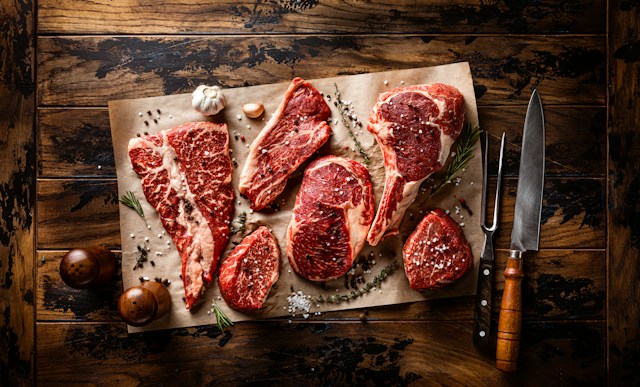
Quick answer: The best beef cut depends on your cooking method. Choose ribeye, striploin, or tenderloin for grilling and pan-searing, chuck or brisket for slow cooking and braising, and short ribs or oxtail for stewing. When buying beef online, look for clear grading information, marbling detail, and sourcing transparency to ensure you get a cut suited to your recipe.
Buying beef online has become the norm for home cooks who want restaurant-quality cuts without the guesswork of a butcher counter. But scrolling through a website full of unfamiliar cut names and marbling grades can leave you more confused than confident. Should you go for a ribeye or a striploin? Is chuck roast better than brisket for your slow cooker? And how do you even judge quality through a screen?
This guide breaks down exactly how to choose the right beef cut for the cooking method you have in mind. Whether you’re firing up the grill, running a slow cooker overnight, or searing a steak in a cast-iron pan, matching the cut to the technique makes the difference between a chewy disappointment and a meal worth talking about.
Why the cooking method should determine your cut choice
Beef isn’t uniform. Different muscles carry different amounts of connective tissue, fat, and muscle fiber density, and those differences dictate how a cut responds to heat. A tenderloin, for example, has minimal connective tissue and cooks beautifully with quick, high-heat methods. A chuck roast, on the other hand, is loaded with collagen that needs hours of low, moist heat to break down into tender, gelatinous richness.
Buying the wrong cut for your intended method almost always leads to disappointment. A brisket thrown on a hot grill for ten minutes will be tough and dry. A tenderloin braised for six hours will turn into flavorless mush. Knowing this relationship before you buy online saves money, time, and dinner.
Best beef cuts for grilling and pan-searing
Grilling and pan-searing rely on high, direct heat applied for a short period. These methods work best with tender cuts that have enough marbling to stay juicy without needing long cook times to soften.
Ribeye
Ribeye is prized for its heavy marbling, which renders during cooking and keeps the meat juicy even at high heat. It’s a forgiving cut for beginners because the fat content buffers against slight overcooking.
Striploin (New York strip)
Leaner than ribeye but still tender, striploin offers a firmer bite and a robust beefy flavor. It’s a great option if you want steakhouse quality without the higher fat content of a ribeye.
Tenderloin (filet mignon)
The most tender cut on the animal, tenderloin has minimal fat and connective tissue. It cooks quickly and pairs well with a pan sauce or compound butter to add flavor, since the meat itself is milder than ribeye or striploin.
Flank and skirt steak
These thinner, more fibrous cuts benefit from quick, high-heat grilling and should always be sliced against the grain after cooking. They’re excellent for fajitas, stir-fries, and dishes where the beef is thinly sliced.
Decision criteria: Choose ribeye if you prioritize maximum juiciness and flavor over leanness. Choose striploin if you want a balance of tenderness and a firmer bite. Choose tenderloin if you’re after the most tender texture and plan to add flavor through sauces or seasoning.
Best beef cuts for slow cooking and braising
Slow cooking and braising use low, moist heat over extended periods, which is exactly what tougher, collagen-rich cuts need to become tender.
Chuck roast
Cut from the shoulder, chuck is well-marbled and full of connective tissue that melts down into rich, tender strands during a long braise. It’s the standard choice for pot roast and beef stew.
Brisket
Brisket comes from the breast area and contains dense muscle fibers and a thick fat cap. Low and slow cooking, whether braising in the oven or smoking, transforms brisket into tender, flavorful slices.
Short ribs
Short ribs carry substantial marbling and connective tissue, making them ideal for braising in wine or stock until the meat falls off the bone.
Oxtail
Oxtail is bony and gelatin-rich, producing deeply flavorful broths and stews when simmered for several hours. It’s a favorite for soups and Caribbean-style braises.
Decision criteria: Choose chuck if you want a classic, versatile roast for stews and pot roasts. Choose brisket if you’re planning a low-and-slow centerpiece dish. Choose short ribs or oxtail if you want maximum richness in a braising liquid or broth.
Best beef cuts for roasting
Roasting sits between quick-searing and slow braising, using moderate, consistent oven heat over a longer period than grilling but without added liquid.
Prime rib (standing rib roast)
This cut delivers the marbling of ribeye in a larger format, ideal for feeding a crowd at a holiday dinner.
Sirloin tip roast
Leaner and more budget-friendly than prime rib, sirloin tip roast still holds up well to oven roasting when cooked to medium-rare and rested properly.
Eye of round
A very lean cut that requires careful temperature control to avoid drying out. Low-temperature roasting and thin slicing afterward help keep it tender.
What to look for when buying beef online
Selecting the right cut is only half the equation. Judging quality through a screen requires paying attention to a few key details that a butcher would otherwise show you in person.
Check the grading
In the United States, USDA grades (Prime, Choice, Select) indicate marbling levels and overall quality. Prime has the most marbling and is typically reserved for high-end cuts like ribeye and tenderloin, while Choice offers a solid balance of quality and value for most home cooking needs.
Look for marbling detail in photos or descriptions
Reputable online butchers provide close-up photos or written descriptions of marbling. More visible white flecks of fat running through the meat generally indicate better flavor and tenderness for cuts intended for dry-heat cooking.
Review sourcing and traceability
Transparent online butchers like reddotmarket.sg disclose where the cattle were raised, whether the beef is grass-fed or grain-finished, and how it was processed. Grass-fed beef tends to be leaner with a more mineral-forward flavor, while grain-finished beef typically carries more marbling and a milder taste.
Confirm cut thickness and portion size
Online listings should specify thickness (especially for steaks) and weight per portion. A ribeye cut too thin will overcook before developing a proper sear, so look for at least 1 to 1.5 inches for grilling cuts.
Read the shipping and handling policies
Beef should arrive frozen or heavily chilled with insulated packaging and ice packs. Check delivery windows and return policies in case a shipment arrives improperly chilled.
Matching beef cuts to your cooking method: quick reference
- Grilling or pan-searing: Ribeye, striploin, tenderloin, flank, skirt steak
- Slow cooking or braising: Chuck roast, brisket, short ribs, oxtail
- Oven roasting: Prime rib, sirloin tip roast, eye of round
- Quick stir-frying or thin slicing: Flank, skirt, sirloin
Choosing beef with confidence
Matching the cut to the cooking method is the single most reliable way to guarantee good results, whether you’re grilling steaks for a weekend cookout or simmering a brisket for a Sunday family dinner. When buying beef online, take the extra minute to check the grade, marbling, sourcing, and thickness before adding it to your cart. That small bit of research translates directly into a better meal on the table.
Next time you’re shopping for beef, start with the recipe, not the cut. Decide on your cooking method first, then let that guide you toward the right piece of meat, and pay attention to grading and sourcing details so you know exactly what’s arriving at your door.
Frequently asked questions
What is the best beef cut for beginners to cook?
Ribeye is one of the most forgiving cuts for beginners because its high marbling content keeps the meat juicy even if slightly overcooked. It requires minimal seasoning and cooks well in a hot pan or on a grill.
Is grass-fed or grain-finished beef better for online orders?
It depends on your flavor preference. Grass-fed beef is leaner with an earthier taste, while grain-finished beef has more marbling and a richer, milder flavor. Choose grass-fed if you prioritize leanness, and grain-finished if you want maximum tenderness and marbling.
How much does beef typically cost when ordered online?
Prices vary widely by cut and grade. Tender cuts like tenderloin and ribeye cost significantly more per pound than tougher cuts like chuck or brisket, which are priced lower due to their longer cooking requirements.
How long can beef stay in the freezer after an online order arrives?
Most cuts stay safe in the freezer for 6 to 12 months, though ground beef should be used within 3 to 4 months for best quality. Always check the specific packaging date and follow USDA storage guidelines.
What’s the safest way to thaw beef ordered online?
Thaw beef in the refrigerator over 24 to 48 hours depending on the cut’s size. Avoid thawing at room temperature, as this increases the risk of bacterial growth.
Can I return beef if it arrives improperly chilled?
Most reputable online butchers offer refunds or replacements if beef arrives above a safe temperature. Check the seller’s shipping guarantee before ordering and contact customer service immediately if a delivery seems compromised.