
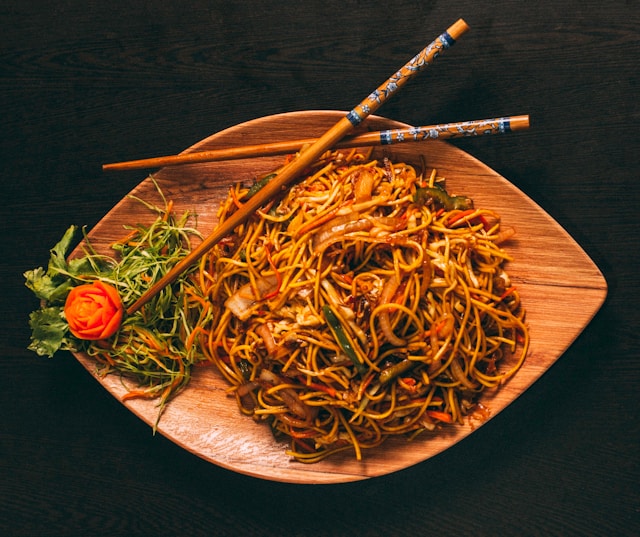
Traditional Chinese food in Singapore has never struggled for authenticity. What’s changed is the audience—and how restaurants are adapting without losing their soul.
Singapore’s Chinese dining scene is one of the most layered in Southeast Asia. From century-old recipes passed down through Hokkien, Teochew, Cantonese, and Hakka families to modern interpretations plated with fine-dining precision, the city-state has become a proving ground for what Chinese cuisine can look like in the 21st century. Younger diners, food tourists, and even Singaporeans who grew up eating at hawker centres are now rediscovering traditional Chinese flavors through a new lens.
This post explores why that shift is happening, which dining formats are leading it, and what it means for the future of Chinese restaurant culture in Singapore.
Why Singapore Is the Ideal Setting for Chinese Culinary Reinvention
Singapore’s food culture is deeply tied to its Chinese heritage. According to the Singapore Department of Statistics, Chinese Singaporeans make up approximately 74% of the resident population—a demographic rooted in diverse regional origins including Fujian, Guangdong, and Hainan provinces. That diversity matters, because it means Singapore never had just one version of “Chinese food.” It had dozens.
Cantonese dim sum, Teochew porridge, Hokkien prawn mee, Hainanese chicken rice—each tradition carries its own history, technique, and loyal following. Yet for decades, many of these dishes remained confined to hawker stalls and family-run kopitiam (coffee shops), perceived by younger generations as nostalgic rather than exciting.
That perception is shifting. A combination of rising food literacy, social media influence, and a post-pandemic emphasis on heritage and identity has sparked renewed interest in traditional Chinese cuisine—particularly among millennials and Gen Z diners who want to understand the story behind what they eat.
How Chinese Restaurants in Singapore Are Reaching Younger Diners
Storytelling as a Menu Strategy
One of the most effective tools traditional Chinese restaurants in Singapore have adopted is storytelling. Rather than simply listing dishes, forward-thinking establishments now frame their menus around provenance, family history, and regional context.
A restaurant serving Teochew cuisine, for example, might explain the role of salted fish in preserving food during long sea voyages—connecting a humble ingredient to centuries of migration history. This kind of narrative turns a meal into an experience, which is exactly what younger diners seek out.
Restaurants like Shang Palace at Shangri-La Singapore and Jade at The Fullerton Hotel have long understood this. Both establishments blend classical Chinese technique with a curated dining environment that communicates cultural depth without requiring diners to already know the history.
The Role of Aesthetics and Social Media
Presentation has become a non-negotiable. Traditional Chinese dishes, historically plated for communal sharing rather than individual photography, are being reimagined for the smartphone era. Bamboo steamers lined up like miniature towers, century egg arranged on crushed ice, braised pork belly lacquered to a mirror finish—these visuals drive discovery on platforms like Instagram and TikTok.
This isn’t superficial. Aesthetic appeal acts as an entry point, drawing in diners who might not otherwise have sought out a traditional Chinese restaurant. Once inside, the food does the rest.
Tasting Menus and Chef’s Tables
The omakase format—borrowed from Japanese dining culture but now firmly embedded in Singapore’s restaurant scene—has found a natural home in Chinese fine dining. Chefs like the team at Summer Pavilion (The Ritz-Carlton, Millenia Singapore) have used this structure to walk diners through a curated journey of Cantonese cuisine, from silken tofu with dried shrimp to double-boiled soups requiring hours of preparation.
For younger diners unfamiliar with the breadth of Chinese cuisine, a guided tasting menu removes the anxiety of ordering and replaces it with education. It’s an on-ramp to a deeper appreciation of traditional flavors.
Which Traditional Flavors Are Making the Biggest Comeback?
Preserved and Fermented Ingredients
Ingredients that were once considered old-fashioned—preserved vegetables, fermented bean curd, salted fish—are experiencing a cultural rehabilitation. Partly driven by the global interest in fermentation and gut health, and partly by chefs who see untapped creative potential in these pantry staples, preserved ingredients are showing up on menus in unexpected ways.
Mei cai (preserved mustard greens), traditionally braised with pork belly in Hakka cuisine, now appears in everything from bao fillings to pasta adaptations at fusion-leaning Chinese restaurants in Singapore.
Slow-Cooked Broths and Double-Boiled Soups
Double-boiling is one of the most time-intensive techniques in Chinese cookery. A soup might steep for four to six hours inside a sealed ceramic vessel, extracting collagen, minerals, and layered flavor from ingredients like goji berries, snow fungus, and old hen. The result is a broth so clear it looks like tea but carries profound depth.
These soups are labor-intensive, which is precisely why many home cooks have stopped making them. Restaurants that maintain the tradition—and communicate the effort involved—are finding that diners are willing to pay a premium for something they can no longer access at home.
Regional Specialties Beyond Cantonese Cuisine
Cantonese cuisine has historically dominated Singapore’s Chinese restaurant landscape, largely because of its adaptability and broad appeal. But diners are increasingly curious about less represented traditions—Shanghainese red-braised pork, Sichuan dry-pot, Yunnan wild mushroom hotpot, and Chiu Chow cold crab.
Restaurants specializing in these regional styles are carving out loyal followings by offering something genuinely unfamiliar, even to Singaporeans with Chinese heritage.
The Rise of the “Heritage Dining” Movement in Singapore
Heritage dining—the deliberate curation of culinary traditions at risk of disappearing—has become both a cultural and commercial force in Singapore. The government has played a role here: the National Heritage Board and various tourism bodies have actively promoted hawker culture as living heritage, culminating in UNESCO’s recognition of Singapore hawker culture as an Intangible Cultural Heritage of Humanity in 2020.
That recognition sent a signal. Food isn’t just sustenance—it’s identity. Chinese restaurants in Singapore have responded by leaning into their heritage credentials more confidently.
Some establishments have gone further, partnering with food historians and dialect associations to reconstruct dishes that have all but disappeared from public menus. These “lost recipe” projects generate significant media coverage and attract diners motivated by both curiosity and a sense of cultural preservation.
What Makes a Traditional Chinese Restaurant Succeed With New Audiences Today?
Success in this space rarely comes from choosing between tradition and modernity—the restaurants doing well tend to hold both in productive tension. Several factors consistently appear among the ones gaining traction:
Clarity of identity. The strongest Chinese restaurants in Singapore know exactly which tradition they’re representing and communicate it clearly. Vagueness—presenting a generic “Chinese cuisine” menu with dishes from every region—tends to dilute both the culinary experience and the brand.
Staff who can explain the food. Knowledge transfer at the table matters. When a server can tell you why a dish uses aged vinegar rather than fresh, or why a particular fish is steamed rather than fried, the meal becomes meaningful. Training front-of-house staff to be genuine ambassadors for the cuisine is an underrated competitive advantage.
Pricing that reflects craft. Younger diners in Singapore have demonstrated a willingness to spend on experiences they perceive as authentic and skillful. Restaurants that undercharge for labor-intensive dishes inadvertently signal that the food isn’t special. Transparent pricing—with context about preparation time or ingredient sourcing—helps diners understand the value.
Consistency over novelty. Fusion can be compelling, but it demands execution. Some of the most enduring Chinese restaurants in Singapore have built their reputation on doing a small number of dishes exceptionally well, year after year. Reliability builds trust, and trust builds community.
The Future of Chinese Restaurant Culture in Singapore
The generation now entering Singapore’s culinary workforce grew up eating at both hawker centres and international restaurants. Many have trained abroad, returning with techniques from European or Japanese kitchens that they’re applying to Chinese ingredients and flavor logic. The results are dishes that feel genuinely new while tasting unmistakably rooted.
This cross-pollination is healthy for the cuisine’s evolution—provided the underlying tradition is preserved alongside the innovation. The risk is always the same: that the visual and conceptual trappings of modernity replace substance rather than enhance it.
The Chinese restaurants finding long-term audiences in Singapore are those treating traditional flavors not as a constraint but as a foundation. They’re not modernizing for its own sake. They’re modernizing because they believe the food deserves to be understood and loved by as many people as possible.
That’s a compelling reason to keep showing up.
Frequently Asked Questions About Chinese Restaurants in Singapore
What type of Chinese cuisine is most popular in Singapore?
Cantonese cuisine has historically been the most widely represented in Singapore’s Chinese restaurant scene, reflecting the large Cantonese-speaking population. However, Hokkien, Teochew, Hainanese, and Hakka traditions are all well-established, and regional Chinese cuisines like Shanghainese and Sichuan have grown significantly in popularity over the past decade.
Are traditional Chinese restaurants in Singapore expensive?
The price range varies widely. Hawker stalls and kopitiam offer traditional Chinese dishes for a few Singapore dollars, while fine-dining Chinese restaurants at five-star hotels can charge significantly more for tasting menus. Many mid-range establishments strike a balance, offering heritage recipes in a comfortable dining environment at accessible price points.
How are Chinese restaurants in Singapore attracting younger diners?
Restaurants like Spring Court are combining strong storytelling, visually striking presentation, and curated tasting menus to engage younger audiences. Social media plays a central role in discovery, while chef-driven narratives around regional heritage and ingredient provenance add depth that resonates with food-literate diners.
What is heritage dining and how does it relate to Chinese cuisine in Singapore?
Heritage dining refers to the intentional preservation and presentation of culinary traditions that risk being lost over time. In Singapore, this movement has gained momentum following UNESCO’s 2020 recognition of hawker culture as Intangible Cultural Heritage. Chinese restaurants participating in heritage dining often focus on reconstructing traditional recipes, using historically accurate techniques, and educating diners about the cultural context of their food.
Which Chinese culinary traditions are at risk of disappearing in Singapore?
Certain Teochew, Hakka, and Hainanese home-cooking traditions face pressure as the generations who practiced them age and fewer younger cooks learn the techniques. Dishes requiring extensive preparation time—double-boiled soups, hand-made fish balls, slow-braised meats—are particularly vulnerable as labor costs rise and convenience dining becomes the norm.