
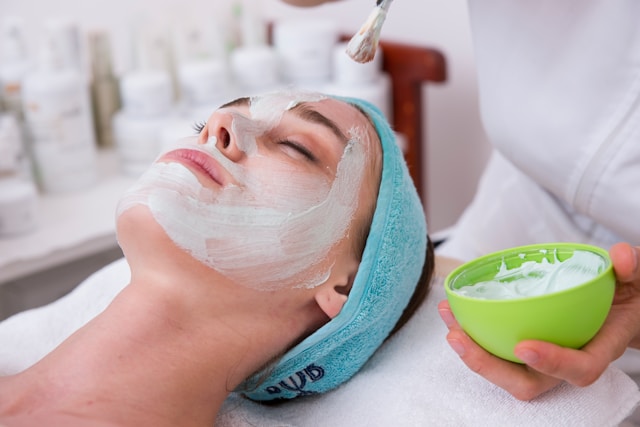
Quick answer: Herbal facial treatments use plant-based ingredients like green tea, chamomile, and aloe vera to cleanse, hydrate, and repair the skin. Consumers are increasingly shifting toward these natural skincare solutions because botanical ingredients offer effective results with a lower risk of irritation, while also supporting environmentally sustainable and cruelty-free manufacturing practices.
Skincare routines have undergone a massive transformation over the past decade. Consumers are scrutinizing ingredient lists more closely than ever before, moving away from harsh synthetic chemicals and moving toward plant-based alternatives. This shift has propelled herbal facial treatments from a niche market into a dominant force within the beauty industry. People want products that nourish their skin naturally without compromising on efficacy.
Understanding the science behind botanical ingredients reveals exactly why this transition is happening. Plant extracts contain complex arrays of vitamins, antioxidants, and anti-inflammatory compounds that interact synergistically with human skin. Instead of aggressively stripping away natural oils or disrupting the skin’s delicate microbiome, herbal facial treatments support the body’s natural healing and regenerative processes.
Reading this guide will equip you with a deep understanding of herbal facial treatments. You will learn the specific mechanisms behind popular botanical ingredients, understand how to match natural remedies to your specific skin type, and discover how to transition your current routine to a plant-based regimen. Armed with this knowledge, you can make informed decisions that benefit both your complexion and the environment.
What are herbal facial treatments and how do they work?
Herbal facial treatments at Kelly Oriental are cosmetic and therapeutic skincare protocols that rely primarily on extracts, oils, and powders derived from plants. These formulations utilize the active compounds found in roots, leaves, seeds, and flowers to address various dermatological concerns. Unlike conventional products that often isolate a single synthetic active ingredient, natural skincare solutions provide a broad spectrum of nutrients that work together.
The efficacy of these botanical treatments lies in their biological compatibility with human skin. Many plants produce compounds to protect themselves from environmental stressors like UV radiation and bacterial infections. When applied topically, human skin can utilize these same compounds. For example, the antioxidants produced by plants to survive harsh sunlight can help neutralize free radicals on the human face, preventing premature cellular aging and structural damage.
Herbal facial treatments also excel at maintaining the skin’s acid mantle—a fine, slightly acidic film on the surface of the skin that acts as a barrier to bacteria and viruses. Harsh synthetic cleansers frequently disrupt this barrier, leading to dryness, irritation, and overproduction of sebum. Plant-based cleansers and toners tend to have a milder pH profile. This gentler approach cleans the skin without destroying the protective microbiome, resulting in a more balanced and resilient complexion.
Why are consumers choosing natural skincare over synthetic alternatives?
The growing preference for natural skincare solutions stems from a combination of health consciousness, environmental awareness, and a demand for product transparency. Consumers are educating themselves about the potential long-term effects of prolonged exposure to synthetic preservatives, artificial fragrances, and harsh surfactants.
How do herbal ingredients reduce skin irritation?
Synthetic fragrances and artificial dyes are among the most common culprits for contact dermatitis and allergic reactions in cosmetic users. Natural skincare solutions typically derive their scents from essential oils or the inherent aroma of the botanical extracts themselves. By eliminating artificial fragrances, herbal facial treatments significantly lower the risk of triggering redness, itching, and inflammation.
Furthermore, synthetic active ingredients like strong chemical exfoliants or high-concentration retinoids can compromise the skin barrier if used incorrectly. Herbal alternatives offer a more gradual, bioavailable approach. Ingredients like bakuchiol (derived from the babchi plant) provide cellular turnover benefits similar to synthetic retinol but with a significantly lower incidence of peeling and erythema. This allows individuals with sensitive skin to achieve visible results without enduring the painful side effects often associated with conventional treatments.
What are the environmental benefits of botanical skincare?
The production and disposal of synthetic skincare products carry a heavy environmental toll. Petroleum-derived ingredients, microplastics, and non-biodegradable chemical sunscreens eventually wash down the drain, accumulating in waterways and disrupting aquatic ecosystems.
Herbal facial treatments generally utilize renewable resources. Brands that focus on natural skincare solutions often prioritize organic farming methods, which avoid synthetic pesticides and fertilizers that degrade soil health. Additionally, botanical ingredients are naturally biodegradable. When you wash a plant-based cleanser off your face, the compounds break down safely in the environment. Many natural skincare companies also champion sustainable packaging and fair-trade sourcing, allowing consumers to align their purchasing habits with their ethical values.
Which herbal ingredients are most effective for different skin types?
Selecting the right botanical ingredients requires understanding your specific skin profile. Because plants offer such a diverse range of therapeutic properties, there is a natural skincare solution for virtually every dermatological concern.
What herbs work best for acne-prone skin?
Treating acne requires balancing oil production, reducing inflammation, and eliminating acne-causing bacteria. Several herbal ingredients excel in this area without causing the excessive dryness associated with synthetic acne treatments like benzoyl peroxide.
Tea tree oil contains terpinen-4-ol, a compound with well-documented antimicrobial and anti-inflammatory properties. Applying diluted tea tree oil directly to blemishes can reduce their size and severity. Neem, a staple in Ayurvedic medicine, also possesses strong antibacterial qualities that help purify the skin and prevent future breakouts. For soothing the redness associated with active acne, chamomile extract provides potent anti-inflammatory benefits, calming the skin and accelerating the healing process.
Which botanicals provide the best anti-aging benefits?
Aging skin requires hydration, antioxidant protection, and stimulation of collagen production. Rosehip seed oil is highly regarded in natural skincare solutions because it contains high levels of naturally occurring vitamin A (retinoic acid) and vitamin C. These vitamins promote cellular turnover and brighten hyperpigmentation, helping to smooth fine lines and restore a youthful glow.
Green tea extract is another powerful anti-aging botanical. It is rich in epigallocatechin gallate (EGCG), an antioxidant that defends the skin against DNA damage caused by UV exposure. Regular application of green tea-infused herbal facial treatments can improve skin elasticity and reduce the appearance of sun damage. Ginseng root, long used in traditional herbal medicine, stimulates blood circulation in the skin, delivering oxygen and essential nutrients to aging cells to promote a firmer, more radiant complexion.
How do herbal treatments help dry and sensitive skin?
Dry skin lacks adequate lipid production and struggles to retain moisture. Calendula, derived from marigold flowers, is exceptionally effective at repairing a damaged skin barrier. It stimulates tissue healing and reduces the flakiness associated with severe dryness.
Aloe vera remains one of the most reliable botanical ingredients for sensitive skin. The gel inside the aloe leaf is composed largely of water, but it also contains polysaccharides that bind moisture to the skin. Aloe vera provides immediate cooling relief for irritated or sunburned skin while delivering lightweight hydration that will not clog pores.
How do you choose the right herbal facial treatment for your routine?
Transitioning to natural skincare solutions requires a strategic approach. Choose herbal facial treatments based on your primary skin goals and your skin’s unique tolerance levels.
Choose water-based botanical treatments (like aloe vera or green tea toners) if lightweight hydration and antioxidant protection matter more to you than heavy moisturization. These formulations absorb quickly and suit oily or combination skin types perfectly.
Choose oil-based herbal serums (like jojoba, rosehip, or argan oil) if repairing the skin barrier and locking in moisture matter more than achieving a matte finish. Plant oils closely mimic human sebum, making them excellent choices for dry, mature, or heavily compromised skin.
When introducing a new herbal facial treatment, always perform a patch test on your jawline or inner wrist. Even though botanical ingredients are natural, they contain potent active compounds that can occasionally trigger allergies in sensitive individuals. Wait twenty-four hours to ensure no redness or itching develops before applying the product to your entire face.
Introduce one natural product at a time. Replacing your entire regimen overnight makes it impossible to determine which specific herbal ingredient is benefiting your skin and which might be causing a reaction. Start by swapping out your cleanser for a botanical alternative, wait a week, and then introduce a plant-based serum or moisturizer.
Transform Your Skincare Routine with Natural Remedies
The movement toward herbal facial treatments represents a broader cultural shift toward wellness, sustainability, and transparency. By prioritizing botanical ingredients, you provide your skin with bioavailable nutrients that support its natural functions. Natural skincare solutions offer a gentle, effective way to achieve a radiant complexion while minimizing environmental impact.
Take stock of your current bathroom cabinet and identify one synthetic product you can replace with a botanical alternative. Whether you incorporate a soothing chamomile toner, a brightening rosehip oil, or a purifying tea tree cleanser, integrating the power of plants into your daily regimen is a definitive step toward long-term skin health.
Frequently Asked Questions About Herbal Skincare
Are herbal facial treatments safe for all skin types?
Yes, herbal facial treatments are generally safe for all skin types, provided you choose the correct botanicals for your specific concerns. However, natural ingredients can still cause allergic reactions. Always perform a patch test before applying a new botanical product to your face, especially if you have highly sensitive skin or known plant allergies.
How long does it take to see results from natural skincare solutions?
Botanical ingredients often work gradually by supporting the skin’s natural regenerative processes. While you may notice improved hydration and reduced redness immediately, structural changes like faded hyperpigmentation or reduced fine lines typically take four to six weeks of consistent application to become visible.
Can I mix herbal ingredients with synthetic active ingredients?
You can integrate natural skincare solutions into a routine that includes synthetic actives, but you must do so carefully to avoid irritation. For instance, applying a soothing botanical oil like jojoba or squalane after using a synthetic exfoliant can help restore the skin barrier. Avoid layering highly potent essential oils directly over strong chemical peels or prescription retinoids.
Are natural skincare products completely free of preservatives?
Any skincare product containing water requires some form of preservation to prevent mold and bacterial growth. While some natural skincare solutions use synthetic preservatives in very low doses for safety, many brands utilize natural preservative systems derived from radish root ferment, rosemary extract, or vitamin E to maintain product stability.
What is the shelf life of an herbal facial treatment?
Because they rely on natural preservatives, botanical skincare products typically have a shorter shelf life than their fully synthetic counterparts. Most herbal facial treatments expire within six to twelve months after opening. Store them in a cool, dark place away from direct sunlight and humidity to prolong their efficacy.