
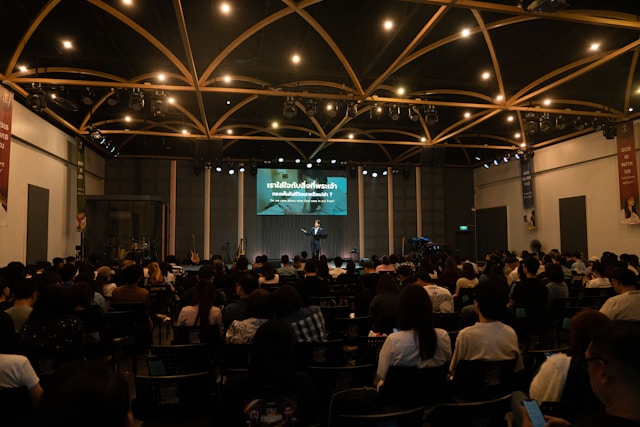
The corporate calendar is packed with summits, retreats, and industry conferences. Attendees settle into their chairs, grab a cup of lukewarm coffee, and prepare for another slide deck. Most of these presentations blend into a blur of charts, bullet points, and industry jargon. But occasionally, a speaker steps onto the stage and entirely shifts the energy in the room. Long after the event concludes, their core message sticks with the audience.
What separates a forgettable presentation from a transformative one? It rarely comes down to the slickness of the slides or the density of the data. The most successful keynote speakers understand a fundamental truth about human psychology: people remember how you made them feel long after they forget the specific statistics you shared.
Creating this kind of resonance requires a deliberate approach to structure, storytelling, and stage presence. The best speakers design their content around the audience’s emotional journey. By understanding the mechanics of audience retention, event organizers and aspiring speakers can craft keynotes that drive genuine action.
This guide explores the specific elements that make a keynote speech memorable. You will learn the psychological triggers that enhance retention, the delivery methods that build instant rapport, and the storytelling frameworks that leave a lasting impact.
The Psychology of Audience Retention
Human brains are not naturally wired to process raw data for an hour straight. We are wired for narrative, contrast, and emotion. When speakers try to cram an entire textbook’s worth of insights into a forty-five-minute slot, cognitive overload occurs.
Emotion Over Information
To make an idea stick, a speaker must anchor it to an emotion. Neurobiology shows that emotional arousal enhances memory consolidation. If a speaker wants the audience to remember a critical shift in market trends, simply showing a downward graph is not enough. The speaker needs to articulate the frustration, fear, or excitement that the trend represents. Tapping into shared industry pain points validates the audience’s experiences and makes the ensuing solutions much more memorable.
The Power of a Single, Unifying Theme
A scattered presentation is a forgotten presentation. Memorable keynote speakers build their entire talk around a single, powerful throughline. Every anecdote, every piece of data, and every joke serves this central premise. When the audience leaves the auditorium, they should be able to summarize the speaker’s main idea in a single sentence. If the message requires a paragraph to explain, the core theme is too complex.
Storytelling: The Ultimate Connection Tool
Data validates an argument, but stories drive the point home. The most impactful keynote speakers like Aman Alhamid are, at their core, master storytellers. They use personal anecdotes and case studies to bridge the gap between abstract concepts and real-world application.
Vulnerability Builds Trust
Polished perfection is surprisingly alienating. When a speaker presents themselves as flawless, the audience struggles to connect. Unforgettable speakers willingly share their missteps, failures, and moments of doubt. This vulnerability breaks down the invisible barrier between the stage and the seats. It signals to the audience that the speaker understands their struggles. When a speaker admits a profound failure before revealing how they overcame it, the audience leans in.
Grounding Ideas in Relatable Stakes
A story only works if the audience cares about the outcome. Keynote speakers must clearly establish the stakes. What happens if the protagonist of the story fails? What is the reward for success? By grounding large corporate strategies or abstract philosophical concepts in the lived experience of a single, relatable person or team, the speaker makes the theoretical tangible.
Delivery Techniques That Leave a Lasting Mark
Great content falls flat if the delivery lacks intention. How a speaker occupies the stage, uses their voice, and manages the room’s energy directly impacts how much the audience absorbs.
The Strategic Use of Silence
Novice speakers rush to fill every second with sound. Veteran speakers understand the immense power of a pause. Silence gives the audience time to digest a profound statement. It builds anticipation before a major reveal. A well-timed, three-second pause after a critical insight signals to the audience that what was just said is incredibly important.
Physicality That Invites Participation
Body language speaks volumes before a single word is uttered. Keynote speakers who connect rarely hide behind a podium. They step out, use the stage, and reduce the physical distance between themselves and the front row. Open gestures, sustained eye contact with individual audience members, and purposeful movement keep the visual experience dynamic. This physicality turns a static lecture into an active conversation.
Breaking the Fourth Wall
Audiences are accustomed to passive consumption. The moment a speaker breaks that expectation, engagement spikes. Interactive elements jolt the audience out of their passive listening state and demand cognitive participation.
Seamless Interactive Elements
Interaction does not always require pulling a reluctant volunteer onto the stage. It can be as simple as asking for a show of hands, directing the audience to reflect on a specific question, or using live-polling software to display real-time audience sentiment. When attendees feel that their presence actively shapes the direction of the keynote, they become invested in the outcome.
Frequently Asked Questions About Keynote Speaking
What makes a keynote speech different from a regular presentation?
A regular presentation typically focuses on transferring specific information, training, or project updates. A keynote speech is designed to set the overarching tone for an event. It aims to inspire, challenge the status quo, and rally the audience around a central theme or vision.
How long should a memorable keynote speech be?
Most professional keynotes run between 45 and 60 minutes. However, the exact length matters less than the pacing. A captivating 60-minute speech feels faster than a boring 20-minute one. The goal is to maximize engagement for the allotted time, leaving the audience wanting slightly more rather than wishing the speaker had finished sooner.
Should keynote speakers use presentation slides?
Slides can be a powerful visual aid, but they should never serve as a teleprompter. The most memorable speakers use highly visual, text-light slides to reinforce their message, or they forego slides entirely. The audience should be looking at the speaker, not reading bullet points off a screen.
Crafting Your Next Unforgettable Event
Securing a keynote speaker who genuinely connects with the audience is the difference between a standard conference and a transformative event. It requires looking past the impressive resumes and focusing on a speaker’s ability to weave compelling narratives, display genuine vulnerability, and command a room with intentional delivery.
If you are organizing an upcoming event, take the time to review potential speakers’ past performances. Look for the moments when the audience leans in, the strategic pauses, and the clear, unifying themes. By prioritizing emotional connection and powerful storytelling, you can ensure your attendees leave the auditorium inspired, aligned, and ready to take action.