
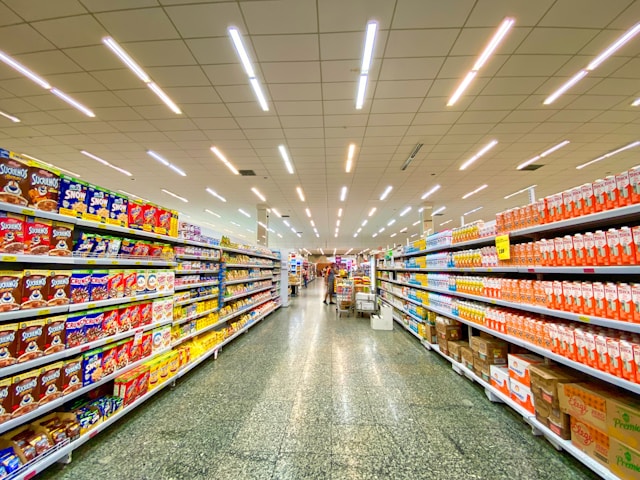
Walking into a well-designed store feels effortless. The lighting guides your eyes to key products, the aisles offer plenty of room to browse, and the atmosphere instantly communicates what the brand stands for. This seamless experience does not happen by accident. It is the result of strategic planning, psychology, and targeted retail shop renovation.
In Singapore, the retail market is highly competitive. Shoppers have countless options, from the massive complexes on Orchard Road to boutique shops in heritage shophouses. Capturing their attention requires more than just stocking great products. The physical environment plays a massive role in foot traffic, dwell time, and purchasing decisions.
A successful retail shop renovation in Singapore goes beyond fresh paint and new shelves. It involves creating a space that actively drives sales by improving the customer journey. By understanding local consumer habits and utilizing smart design principles, business owners can turn their physical locations into powerful revenue generators.
Understanding the Singaporean Consumer
Singaporean shoppers value convenience, aesthetics, and unique experiences. Because the climate is hot and humid year-round, shopping malls often serve as primary social hubs. People visit these spaces to dine, meet friends, and find entertainment.
To capitalize on this foot traffic, your store must stand out visually while offering a comfortable retreat. Shoppers appreciate air-conditioned comfort, clear signage, and interactive elements from SCDC Asia. When a store looks inviting from the outside, passersby are far more likely to step inside. Once they enter, the layout must make sense immediately. Confusing layouts frustrate buyers and cause them to leave empty-handed.
Key Elements of a Sales-Driven Retail Space
Designing a store to maximize revenue involves several distinct components. Each element must work together to create a cohesive brand experience.
Strategic Layout and Flow
The layout of your store dictates how customers move through the space. A well-planned floor plan gently guides shoppers past high-margin items and everyday essentials.
The “loop” or “racetrack” layout is popular in many Singaporean retail shops. It provides a clear path for customers to follow, ensuring they see a wide variety of merchandise. Alternatively, a “free-flow” layout works well for high-end boutiques. It encourages browsing and discovery, making the shopping experience feel relaxed and personal. Place your most attractive or profitable items at eye level, and ensure the checkout counter is easy to find without blocking the entrance.
Lighting that Highlights and Invites
Lighting dramatically affects mood and perception. Bright, cool lighting works well for pharmacies and electronics stores because it promotes clarity and alertness. Warm, dim lighting suits luxury apparel or cozy cafes, encouraging customers to linger.
Use accent lighting to draw attention to specific product displays, new arrivals, or promotional items. Proper illumination makes products look their best and helps customers read tags and labels easily. In a competitive retail environment, poor lighting can make a store feel unwelcoming or outdated.
Branding Through Interior Design
Your physical space must reflect your brand identity. If you sell eco-friendly skincare, your shop renovation should incorporate natural materials like wood, stone, and lots of greenery. If your brand focuses on futuristic tech, sleek metals, glass, and neon accents make more sense.
Consistency builds trust. When the interior design matches your brand’s online presence and packaging, customers feel confident in their purchases. Use your brand colors strategically on accent walls, flooring, or custom display units.
Navigating Renovation Regulations in Singapore
Renovating a commercial space in Singapore requires compliance with several local authorities. Ignoring these steps can lead to costly delays or fines.
URA and BCA Approvals
The Urban Redevelopment Authority (URA) governs land use. You must ensure your intended retail activity is permitted in your chosen location. The Building and Construction Authority (BCA) oversees structural safety. If your retail shop renovation involves altering the building structure, you will need a professional engineer to submit plans to the BCA for approval.
Fire Safety Certificate (FSC)
The Singapore Civil Defence Force (SCDF) sets strict fire safety standards. Any changes to the store layout, including installing new partitions or altering the ceiling, usually require a review of the fire sprinkler and alarm systems. You must obtain a Fire Safety Certificate before opening the store to the public. Hiring an experienced renovation contractor familiar with Singapore’s commercial regulations will make this process much smoother.
Technology Integration in Modern Retail
Modern shoppers expect a seamless blend of digital and physical retail. Integrating technology into your store design can significantly boost sales.
Consider installing interactive digital signage. These displays can showcase product demonstrations, current promotions, or user-generated content from social media. Mobile point-of-sale (POS) systems allow staff to check out customers anywhere in the store, eliminating long lines at a traditional counter. Some retailers also use smart fitting rooms with adjustable lighting and touchscreens so customers can request different sizes without leaving the room.
Maximizing Small Spaces in Singapore Malls
Commercial rent in Singapore is expensive. Many retailers operate in compact units, making space optimization critical.
Use vertical space by installing tall shelving units. Draw the eye upward with interesting ceiling designs or hanging displays. Mirrors are an old but effective trick to make a small room feel twice its size. Keep clutter to a minimum. A minimalist approach often makes products look more premium and prevents the store from feeling claustrophobic.
Frequently Asked Questions (FAQ)
How much does a retail shop renovation in Singapore cost?
Costs vary widely based on the size of the unit, the complexity of the design, and the materials used. On average, commercial renovations can range from $50 to $150 per square foot. It is best to request detailed quotes from multiple contractors.
How long does a commercial renovation take?
A standard retail renovation typically takes between four to eight weeks. However, obtaining the necessary permits from URA, BCA, and SCDF can add several weeks to the timeline. Planning ahead is essential.
Do I need an interior designer or just a contractor?
While a contractor can execute a pre-existing plan, a specialized retail interior designer understands consumer psychology. They can create a layout and aesthetic specifically engineered to drive sales and enhance your brand.
Ready to Transform Your Retail Space?
A strategic retail shop renovation in Singapore is a direct investment in your business’s growth. By focusing on consumer behavior, optimizing your layout, and navigating local regulations smoothly, you can create an environment that attracts foot traffic and converts visitors into loyal customers.
Take a critical look at your current store. Identify areas where customers seem to rush or where products go unnoticed. Consider partnering with a commercial interior design firm that specializes in retail spaces. With the right design strategy, your physical store can become your most powerful sales tool.