
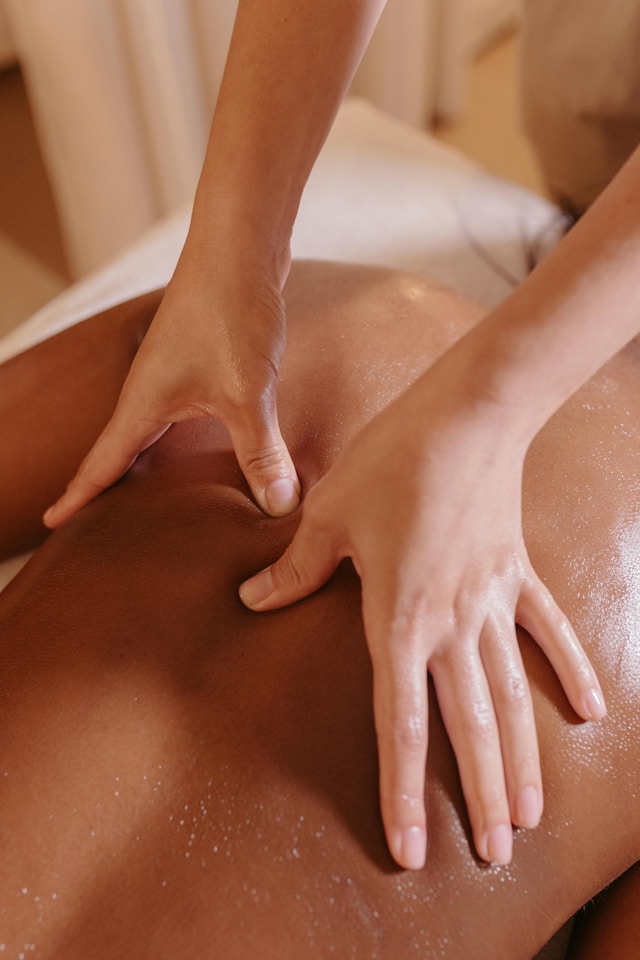
Booking a massage often brings to mind dim lighting, soft music, and a gentle rubdown that leaves you feeling relaxed for a few hours. Traditional spa massages are excellent for a quick escape from daily stressors. However, a growing number of people are looking for something more substantial. They want treatments that address the root causes of their physical discomfort rather than just soothing the surface.
This shift in preference is driving a massive surge in the popularity of Traditional Chinese Medicine (TCM) massage. Rooted in thousands of years of medical practice, TCM massage goes far beyond simple muscle relaxation. It focuses on restoring the body’s natural energy flow, alleviating chronic pain, and promoting holistic healing from the inside out.
If you frequently leave the spa feeling great for an hour, only for your shoulder tension or lower back pain to return by dinnertime, a change in approach might be necessary. Understanding the distinct differences between TCM therapies and standard spa services can help you make better decisions for your long-term health and well-being.
What Exactly Is a TCM Massage?
TCM massage is a therapeutic practice based on the principles of Traditional Chinese Medicine. The most common form of TCM massage is Tui Na, which translates to “push and grasp.” Unlike a Swedish massage that relies on long, gliding strokes with oils, Tui Na uses rhythmic compression along the body’s energy channels.
The Role of Qi and Meridians
According to Chinese medicine, the body contains a vital life force called “Qi” (pronounced chee). This energy flows through specific pathways known as meridians. When your Qi is blocked or stagnant, it manifests as physical pain, illness, or emotional distress. A TCM practitioner uses specialized massage techniques to remove these blockages. By stimulating specific acupressure points, they encourage the smooth flow of energy and blood throughout the body.
Complementary Techniques
A TCM massage session often incorporates other traditional therapies to maximize healing. Your practitioner might use Gua Sha, a scraping technique that releases muscle stiffness and promotes blood flow. They may also apply cupping therapy to draw out toxins and relieve deep-tissue tension. These methods work together to create a comprehensive treatment plan tailored to your specific physical ailments.
TCM Massage vs. Regular Spa Massage
Understanding why so many people are making the switch requires a close look at how these two approaches differ. While both involve physical touch and aim to make you feel better, their fundamental philosophies are entirely distinct.
Holistic Healing vs. Surface Relaxation
Regular spa massages primarily target the muscular and nervous systems. The goal is to induce a state of deep relaxation by releasing surface-level tension. Therapists use soothing strokes to calm the mind and body, making it an excellent choice for a pampering day.
TCM massage treats the body as an interconnected system. The practitioner does not just focus on the area that hurts. If you complain of a headache, they might massage pressure points in your feet or hands. The objective is holistic healing—identifying and treating the underlying imbalance causing your symptoms, rather than simply masking the pain.
Clinical Precision vs. Standardized Routines
Most spa massages follow a relatively standard routine. You can expect a predictable sequence of strokes covering the back, arms, legs, and neck. While you can ask for varying levels of pressure, the overall framework remains the same from person to person.
TCM massage is highly customized. Before the session begins, the practitioner will often assess your overall health, ask about your lifestyle, and sometimes even check your pulse or examine your tongue. This diagnostic approach allows them to tailor the massage entirely to your unique physiological needs. Every push, grasp, and knead serves a specific medical purpose.
Key Benefits Driving the TCM Trend
People are actively seeking out TCM massage for its profound, lasting physical benefits. Here are a few reasons why it has become the preferred choice for those serious about their wellness.
Targeted and Lasting Pain Relief
Chronic pain sufferers often find standard massages insufficient. Tui Na and acupressure penetrate deeper into the musculoskeletal system. By manipulating joints and soft tissues while simultaneously stimulating acupressure points, TCM massage offers significant relief from conditions like sciatica, arthritis, frozen shoulder, and chronic lower back pain.
Improved Circulation and Immunity
Stagnant blood flow can lead to a host of health issues. The vigorous techniques used in TCM massage physically push blood through the vessels, improving overall circulation. Better circulation means more oxygen and nutrients reach your tissues, speeding up recovery times and boosting your immune system’s ability to fight off illness.
Better Digestion and Sleep
Because TCM focuses on internal balance, it can effectively treat issues you might not associate with a massage. Specific acupressure points correspond directly to the digestive tract. Stimulating these areas can relieve bloating, constipation, and indigestion. Furthermore, balancing the body’s energy helps regulate the nervous system, leading to deeper, more restorative sleep.
Frequently Asked Questions About TCM Massage
If you are new to the world of Traditional Chinese Medicine, you likely have a few questions about what the experience entails.
Does TCM massage hurt?
The pressure used in Tui Na and acupressure can be intense. Because the practitioner is working to release deep blockages, you might experience a “good hurt” or a dull aching sensation at certain pressure points. However, the practitioner will always adjust their strength based on your comfort and tolerance levels.
How often should you get a TCM massage?
The frequency depends entirely on your specific health goals. For acute injuries or severe chronic pain, your practitioner might recommend weekly sessions. For general maintenance and stress management, once or twice a month is usually sufficient.
What should I expect after a session?
It is common to feel a bit sore for a day or two after a deep TCM massage, similar to how you feel after a tough workout. You might also notice small red marks if cupping or Gua Sha was used. However, this temporary soreness is typically followed by a profound sense of lightness, increased mobility, and sustained energy.
Experience True Healing and Balance
Choosing the right type of massage comes down to what your body truly needs. While a spa day offers a wonderful mental escape, it often falls short of providing lasting physical relief. TCM massage offers a medical, holistic approach that addresses the root causes of pain and fatigue.
By unblocking energy pathways and improving circulation, this ancient practice helps your body heal itself. If you are tired of temporary fixes and want to experience deeper, more sustainable wellness, it might be time to skip the standard Swedish massage and book a session with a qualified TCM practitioner.