
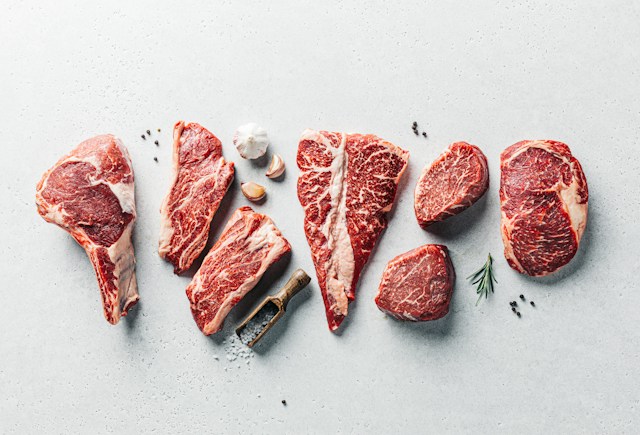
Quick answer: Buying beef online works best when you match the cut to the cooking method — ribeye or striploin for steaks, thinly sliced sirloin or flank for stir-fries, and chuck or mince for everyday meals like stews and burgers. Check the grading, fat marbling, and packaging date before ordering, and choose a supplier with clear sourcing information and cold-chain delivery.
Grocery shopping has changed. Fewer people are standing at a butcher’s counter pointing at cuts through glass, and more are scrolling through product photos on a phone, adding beef to a virtual cart alongside everything else on the weekly list. Buying beef online is now a mainstream habit, not a niche convenience. But without the ability to touch, smell, or ask a butcher for advice, many shoppers feel unsure about what they’re actually ordering.
This guide breaks down how to choose beef online with confidence. It covers which cuts suit which meals, what grading and marbling terms actually mean, how to judge quality from a product photo and description, and what to look for in a supplier before checking out. By the end, you’ll know exactly what to search for whether you’re planning a steak night, a quick stir-fry, or a big pot of everyday comfort food.
Why are more people choosing to buy beef online?
Online meat delivery has grown for a few practical reasons. Convenience is the obvious one — beef arrives at the door, often vacuum-sealed and portioned, without a trip to a physical store. But there’s also a quality argument. Many online butchers source directly from farms or small-scale producers, cutting out layers of the traditional supply chain. This often means fresher product and clearer information about where the meat came from and how the animal was raised.
Price transparency plays a role too. Online listings typically show the exact cut, weight, and price per pound upfront, making it easier to compare value across suppliers than it is standing in a supermarket aisle. That said, the format only works in your favor if you know what you’re looking for. Otherwise, all those product photos start to look the same.
Which beef cuts should you buy for steaks?
Steak is where cut selection matters most, since the entire dish rests on the beef itself. The best steak cuts come from the muscles that do the least work — typically along the back of the animal — because they stay naturally tender.
What are the best cuts for a classic pan-seared or grilled steak?
- Ribeye: Known for heavy marbling, which melts during cooking and keeps the meat juicy and flavorful. A reliable choice for grilling or pan-searing.
- Striploin (New York strip): Slightly leaner than ribeye but still tender, with a firmer bite and a clean beef flavor.
- Filet mignon (tenderloin): The most tender cut available, though leaner and milder in flavor than ribeye or striploin. Best suited to those who prioritize texture over intense beefiness.
- T-bone/Porterhouse: A combination cut featuring both tenderloin and striploin on either side of the bone — a good option for anyone who wants a taste of both textures in one steak.
What should you check before buying steak online?
Look closely at the marbling in the product photo — the white flecks of fat running through the muscle. More marbling generally means more flavor and juiciness, especially in cuts like ribeye. Also check the grading if it’s listed. In the United States, USDA Prime has the most marbling, followed by USDA Choice, then USDA Select. If a supplier lists a grade, it’s a strong signal they’re transparent about quality.
Thickness matters as well. Steaks cut at least one inch thick are easier to cook to a proper medium-rare without overcooking the exterior. If the listing allows you to select a thickness, go for at least an inch for a proper sear.
Which beef cuts work best for stir-fries?
Stir-fry cooking is fast and hot, so the goal is different from steak: you want beef that’s naturally tender or has been cut thinly enough to cook quickly without turning tough and chewy.
What cuts are ideal for a quick, tender stir-fry?
- Flank steak: Lean with visible muscle fibers, flank steak needs to be sliced thinly against the grain to stay tender. It has a rich, beefy flavor that holds up well against strong sauces.
- Sirloin: A versatile, moderately tender cut that works well sliced thin. It offers a good balance between tenderness and price.
- Skirt steak: Thinner and more textured than flank, skirt steak absorbs marinades well and cooks quickly, making it a popular choice for fajitas and stir-fries alike.
Does slicing direction really make a difference?
Yes — this is one of the most overlooked factors in stir-fry beef. Cutting against the grain (perpendicular to the visible muscle fibers) shortens those fibers, which makes each bite noticeably more tender. Some online butchers now sell pre-sliced stir-fry beef, already cut against the grain, which is worth seeking out if you’d rather skip the extra prep step.
Which beef cuts are best for everyday meals?
Not every meal needs a premium cut. For stews, casseroles, tacos, and burgers, tougher, more affordable cuts often deliver better results — because slow cooking or grinding breaks down the connective tissue that would otherwise make the meat chewy.
What cuts work well for slow-cooked meals?
- Chuck roast: Well-marbled and full of connective tissue, chuck becomes fall-apart tender after a few hours of slow cooking. It’s a top choice for pot roast, stew, and shredded beef dishes.
- Brisket: A tougher cut that rewards low-and-slow cooking, ideal for braising or smoking.
- Short ribs: Rich and fatty, short ribs hold up well in braises and deliver deep flavor to sauces and gravies.
What should you look for when buying ground beef online?
Ground beef listings usually show a fat-to-lean ratio, such as 80/20 or 90/10. An 80/20 blend (80% lean meat, 20% fat) is generally better for burgers, since the extra fat keeps the patty juicy on the grill. A leaner blend like 90/10 works better for dishes such as chili or tacos, where you don’t want excess grease pooling in the pan. Choose the ratio based on the dish, not just the lowest fat percentage available.
How can you judge beef quality from an online listing?
Without the ability to inspect the meat in person, you have to rely on the details a supplier provides. A few things to check before adding beef to your cart:
- Color: Fresh beef should appear a deep red in photos, not brown or grayish. Keep in mind that vacuum-sealed beef can look slightly darker due to reduced oxygen exposure — this doesn’t necessarily indicate poor quality.
- Marbling: Visible white flecks of fat running through the muscle indicate better flavor and tenderness, particularly in steak cuts.
- Packing and freeze date: Reputable suppliers list when the beef was packed or frozen. The closer to your order date, the fresher it likely is.
- Sourcing information: Listings that mention the farm, region, or ranching practices (grass-fed, grain-finished, pasture-raised) tend to come from suppliers who are more accountable for quality.
- Reviews: Customer reviews mentioning tenderness, packaging condition on arrival, and delivery speed can reveal a lot about consistency.
What should you check about a supplier before you buy beef online?
The cut matters, but so does the business you’re buying from. A few practical checks can save you from a disappointing delivery.
Choose a supplier with clear cold-chain delivery if you care about freshness and food safety. Beef needs to stay refrigerated or frozen throughout transit. Look for suppliers who explain their shipping process — insulated packaging, ice packs or dry ice, and delivery time estimates — since a vague shipping policy is often a red flag.
Choose a supplier with transparent sourcing if you care about how the animal was raised. Terms like grass-fed, grain-finished, and pasture-raised all describe different diets and living conditions, which affect flavor and texture. Grass-fed beef tends to be leaner with a more mineral, earthy flavor, while grain-finished beef usually has more marbling and a milder, richer taste.
Choose a supplier with flexible cut and portion options if you’re cooking for a specific recipe or household size. Some online butchers allow you to select thickness, weight, or pre-cut stir-fry strips, which removes guesswork and reduces food waste.
Choose a supplier with a clear return or satisfaction policy if you’re ordering from them for the first time. Meat delivery carries more risk than shelf-stable groceries, so a fair policy for damaged or unsatisfactory orders is worth checking before you commit to a large order.
Making beef delivery work for your kitchen
Buying beef online doesn’t have to feel like a gamble. Once you know which cuts suit which cooking method, and what to look for in a listing and a supplier, most of the guesswork disappears. Start by matching the cut to the meal — ribeye or striploin when you want a steak night, thinly sliced sirloin or flank for a fast stir-fry, and chuck, brisket, or ground beef for the meals that carry a household through the week.
From there, it comes down to reading listings carefully: check the marbling, the grading, the packing date, and how transparent the supplier is about sourcing and delivery. A little attention at the checkout stage pays off at the dinner table.
Frequently asked questions about buying beef online
Is it safe to buy beef online?
Yes, buying beef online is generally safe as long as the supplier uses proper cold-chain shipping, such as insulated packaging with ice packs or dry ice. Check that the beef arrives cold or frozen, with intact packaging and no signs of a broken seal.
How much more expensive is buying beef online compared to a grocery store?
Prices for buy beef online vary widely by supplier and cut. Premium or specialty cuts, such as grass-fed ribeye from a small producer, often cost more than supermarket beef. However, some online butchers offer competitive pricing on bulk orders or less popular cuts, so it’s worth comparing price per pound rather than assuming online beef always costs more.
What’s the difference between grass-fed and grain-finished beef?
Grass-fed beef comes from cattle that eat grass for most or all of their lives, resulting in a leaner cut with an earthier flavor. Grain-finished beef comes from cattle fed grain (usually corn) in the final months before processing, which typically increases marbling and produces a richer, milder flavor.
Can you freeze beef after it’s delivered?
Most beef delivered online can be frozen, especially if it arrives vacuum-sealed. Vacuum sealing reduces air exposure, which helps prevent freezer burn and preserves quality for several months. Always check the supplier’s specific storage recommendations, since some products arrive fresh and are meant to be cooked within a few days.
What’s the best cut of beef for someone on a budget?
Chuck roast and ground beef are typically the most affordable cuts while still delivering good flavor, especially when slow-cooked or seasoned well. These cuts work well for stews, tacos, and burgers, making them practical choices for everyday cooking without sacrificing taste.