
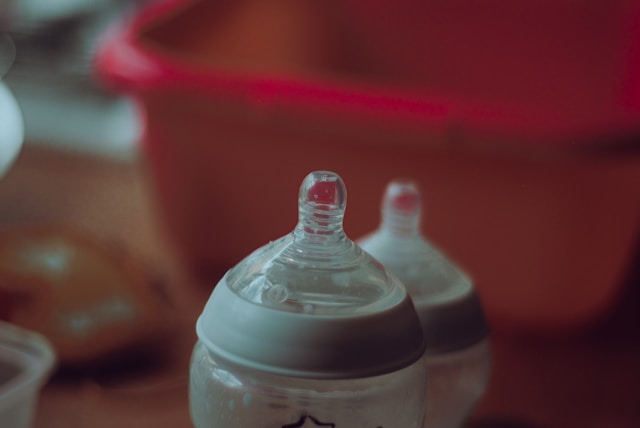
Quick answer: Choosing a bottle sterilizer comes down to capacity, sterilization method, drying function, safety materials, ease of cleaning, size, and budget. Parents shopping for a Momcozy sterilizer should match these features to their household’s feeding routine, whether that means breastfeeding, formula feeding, or a combination of both.
Bottle sterilizers have become a staple in modern nurseries, and it’s easy to see why. Newborns have fragile immune systems, and thoroughly sanitized feeding equipment helps reduce the risk of bacteria buildup on bottles, nipples, and pump parts. But not every sterilizer works the same way, and the “best” option really depends on a family’s specific needs.
If you’re researching a Momcozy sterilizer or comparing it against other brands, it helps to know what actually matters before you buy. This guide breaks down seven practical factors parents should weigh, from sterilization method to daily convenience, so you can make a confident, informed decision.
Why Do Parents Need a Bottle Sterilizer?
Bottles, pacifiers, and pump parts come into direct contact with breast milk or formula multiple times a day, which makes them prone to bacterial growth if not properly cleaned. Hand-washing removes visible residue, but it doesn’t always eliminate germs at a microscopic level. A dedicated sterilizer uses heat or steam to kill bacteria more thoroughly, giving parents extra peace of mind, especially during the newborn stage when immune systems are still developing.
1. What Capacity Do You Actually Need?
Sterilizer capacity varies widely, from compact models that hold two or three bottles to larger units designed for a full day’s worth of feeding supplies. Families who exclusively pump or feed multiple children may want a higher-capacity sterilizer to avoid running multiple cycles per day. Parents combination-feeding or supplementing occasionally might be fine with a smaller, more compact option.
Choose a higher-capacity sterilizer if you’re pumping frequently or have twins, since you’ll likely be sterilizing bottles and pump parts several times daily. Choose a compact sterilizer if your space is limited or you only sterilize occasionally.
2. Which Sterilization Method Works Best for Your Routine?
Most bottle sterilizers rely on one of three methods:
- Steam sterilization: Uses hot steam to kill bacteria, typically within 5–10 minutes. It’s fast and doesn’t require chemicals.
- UV sterilization: Uses ultraviolet light to neutralize bacteria and is often marketed as gentler on plastic materials over time.
- Boiling or microwave bags: A lower-cost, manual option that requires more hands-on effort.
Steam-based sterilizers tend to be the most popular choice among parents because they’re fast, don’t require added chemicals, and work well for daily use. If your household relies on breast pump parts multiple times a day, a steam sterilizer with a quick cycle time can save meaningful time over a week of feedings.
3. Does It Include a Drying Function?
Sterilizing kills bacteria, but leftover moisture can create a new breeding ground for germs if bottles sit wet for too long. Some sterilizers include a built-in drying cycle, which eliminates the extra step of air-drying on a rack. This feature is particularly useful for parents who sterilize late at night and want dry, ready-to-use bottles by morning.
If a drying function isn’t included, factor in extra time for air-drying, and make sure you have a clean, dedicated space to do it.
4. Are the Materials Safe for Daily Use?
Look for sterilizers made from BPA-free plastic, and check whether the interior chamber is food-grade safe. Since bottles and pump parts sit inside the unit during high heat, or under steam, the materials matter both for durability and for your baby’s safety. Reading product specifications carefully, rather than relying on marketing language alone, helps confirm a sterilizer meets safety standards.
5. How Easy Is It to Clean and Maintain?
A sterilizer that’s difficult to clean defeats its own purpose. Mineral buildup from tap water, known as limescale, is common in steam sterilizers over time and can affect performance if left unaddressed. Look for models with removable trays, dishwasher-safe components, or simple descaling instructions. Parents juggling a newborn’s schedule will especially appreciate a sterilizer that doesn’t require lengthy maintenance routines.
6. Does It Fit Your Kitchen or Nursery Space?
Countertop space is often limited, especially in smaller kitchens or apartments. Before buying, measure the area where you plan to keep the sterilizer and compare it against the product’s dimensions. Some sterilizers are designed to be compact and vertical to save counter space, while others prioritize capacity over a smaller footprint. Think about where the unit will live day-to-day, not just how it looks in product photos.
7. Does It Fit Your Budget and Feeding Timeline?
Bottle sterilizers range from budget-friendly manual options to higher-end electric models with multiple functions. Consider how long you’ll realistically use the sterilizer. Parents planning to breastfeed exclusively for a short period may not need the same investment as those anticipating a year or more of bottle and pump part use. Weigh the upfront cost against how often you’ll use it and for how long, rather than focusing on price alone.
Choosing the Right Sterilizer for Your Family
There’s no single “best” bottle sterilizer for every household. A family that pumps multiple times a day and juggles a demanding schedule will prioritize speed, capacity, and a built-in drying function. A parent who sterilizes occasionally might prioritize a compact, budget-friendly option instead.
Before buying a Momcozy sterilizer or comparing it to other brands, make a list of your non-negotiables: capacity, sterilization method, drying function, safety materials, cleaning ease, size, and budget. Ranking these based on your specific feeding routine will make it much easier to narrow down your options and choose a sterilizer that actually fits your daily life, rather than one that just looks appealing in a listing.
Whatever you choose, remember that consistency with babyboo.sg matters more than the specific method. Regularly sterilizing bottles and feeding equipment, whether by steam, UV, or boiling, is what helps protect your baby during those early, immune-vulnerable months.
Frequently Asked Questions
How often should I sterilize baby bottles?
Most pediatric guidelines recommend sterilizing bottles and feeding equipment daily for newborns, particularly in the first two to three months. After that, many parents transition to sterilizing a few times a week, alongside regular hand-washing or dishwasher cleaning between uses.
Is a bottle sterilizer necessary if I already wash bottles by hand?
Hand-washing removes visible residue but doesn’t always eliminate bacteria at a microscopic level. A sterilizer adds an extra layer of sanitation, which many pediatricians recommend for newborns with developing immune systems.
What’s the difference between steam and UV sterilizers?
Steam sterilizers use hot vapor to kill bacteria quickly, typically within minutes, while UV sterilizers use ultraviolet light for a chemical-free option. Steam tends to be faster, while UV is often marketed as gentler on plastic materials over repeated use.
How long does a bottle sterilizer cycle typically take?
Cycle times vary by method and model, but steam sterilizers commonly complete a cycle in 5 to 10 minutes, while UV or boiling methods may take longer.
Can I sterilize pump parts along with bottles?
Most sterilizers accommodate both bottles and pump parts, but capacity varies by model. Parents who pump frequently should look for a sterilizer with enough space to handle both in a single cycle.